75 Journal and Writing Prompts for Seniors
75 journal prompts for seniors, grouped by theme: everyday life, early years, work, family, places, lessons and letters, plus tips for easier writing later on.
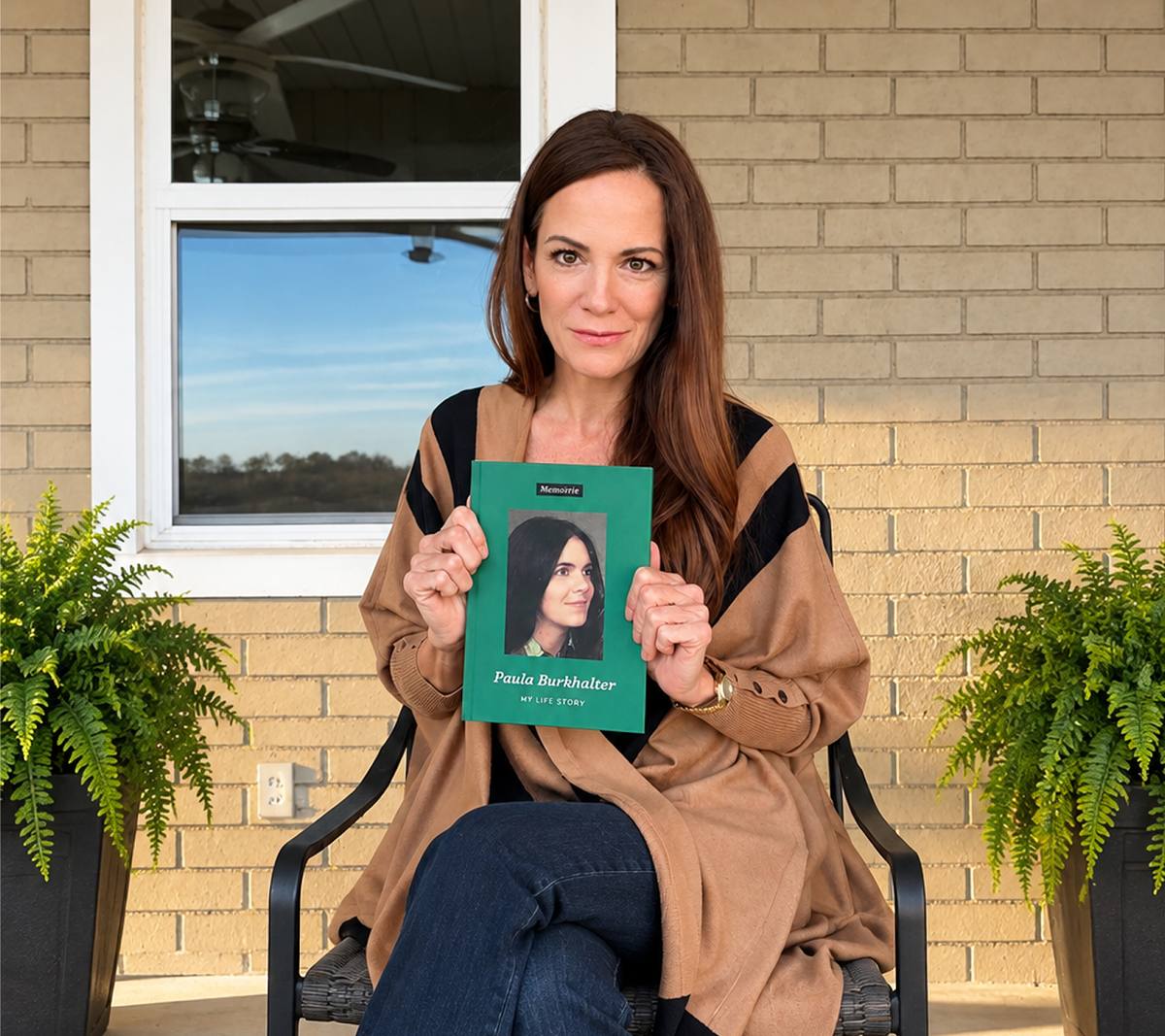
Make it a book: Turn your journal stories into an autobiography. Answer guided questions about your life by writing or speaking, and your stories are printed as a hardcover book.
Illustrative image, AI-generated
A journal later in life does not need to be a diary of the weather and the doctor's appointments, though there is room for those too. It can be a place to think about today, set down a memory before it fades, and say a few things to the people you love. The 75 journal prompts for seniors below are grouped by theme, so you can open to whatever suits your mood.
This page is about the habit of journaling: short, regular entries in your own notebook. If you would like to shape your memories into a full book, our guide to writing your life story covers that bigger project, and our memoir prompts are built for chapters rather than daily entries.
Why Keep a Journal Now
Most people who start journaling in their sixties, seventies or eighties give one of a few reasons. They have more time than they used to. They notice that their grandchildren know very little about the world they grew up in. Or they simply want somewhere to put their thoughts that isn't a phone call.
A journal also does something a photo album can't: it records how a day felt and what you thought about it. A page that says “Lunch with Ruth at the diner, she still orders the tuna melt and still complains about it” tells a grandchild more about your life than a dozen snapshots. Small, specific entries like that add up quickly.
Make It Easy on Your Eyes and Hands
The best journal is the one you will actually pick up. A few practical choices make that much more likely.
- Pick a notebook you can read. A large-print or wide-ruled notebook with heavy lines is easier than a pocket diary. Lie-flat binding helps if your hands are stiff.
- Use a pen that shows up. The American Foundation for the Blind suggests bold-line pens and good task lighting for people with low vision, and the same tips help anyone whose eyes tire in the evening. A lamp aimed at the page beats a ceiling light.
- Type it if that is easier. On a computer or tablet, set the text large. The same page recommends bold, plain fonts at 18 point or bigger for people with low vision.
- Talk instead of writing. Most phones and tablets have a microphone key on the on-screen keyboard. Tap it, speak your entry, and the words appear as text. Read it over afterward, because names and place names often come out wrong.
- Record and transcribe later. If typing is out of the question, record yourself telling the story on a phone and ask a family member to type it up.
Keep the Sessions Short
Ten or fifteen minutes is plenty. Many people find it easiest to journal at the same time each day: with the first cup of coffee, after lunch, or before the evening news. Leave the notebook and pen in that spot so you don't have to go looking for them.
One prompt per session is enough. If a prompt brings back a long story, follow it for as long as you like and finish another day. If it brings back nothing, skip it. There are no marks for doing them in order.
Put the date at the top of every entry. Years from now, “March 2027” next to a story about your first car is part of the record.
Write It With a Grandchild
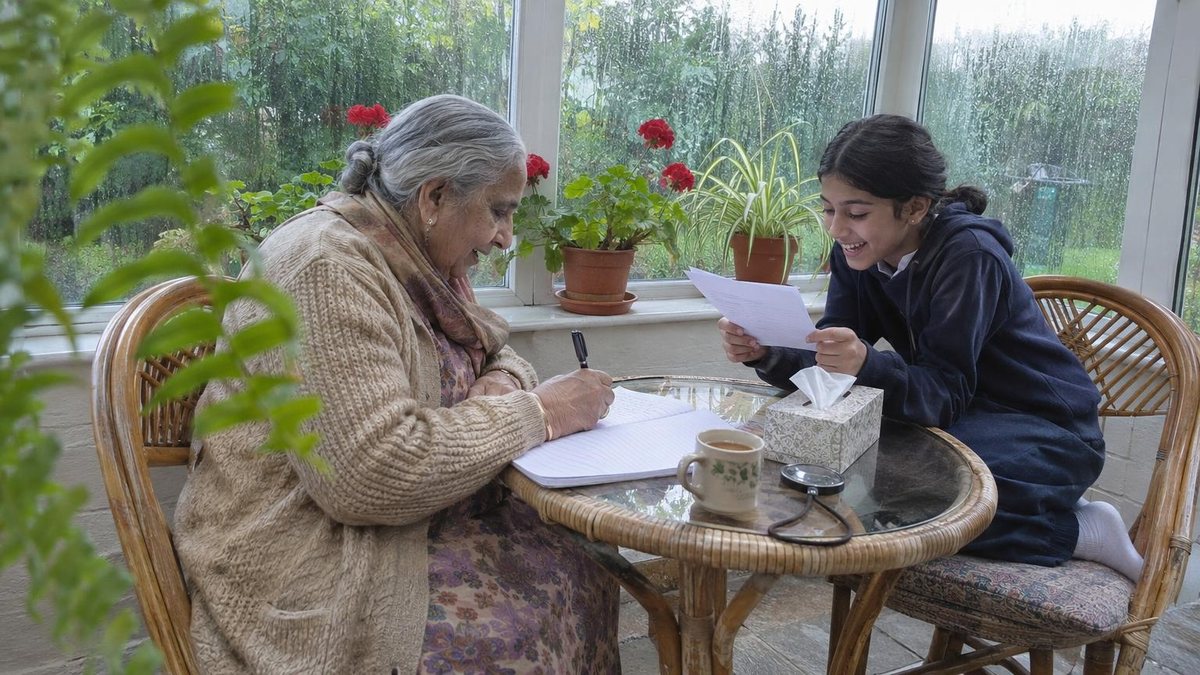
Journaling doesn't have to be done alone. A grandchild can read a prompt out loud, you answer, and they write it down or type it. It suits children who are old enough to write and still young enough to be curious. Their follow-up questions (“Wait, you didn't have a television?”) often pull out the best details.
A grandchild doing a school project on family history might be glad of the excuse. If they would rather ask than be asked, our list of questions to ask your grandparents gives them a place to start, and your journal gets the answers.
Journal Prompts About Everyday Life Now
Start with today. These prompts are good for days when the past feels too far away or too heavy.
- Describe your morning from the moment you woke up until now.
- What is on your kitchen table right now, and how did each thing get there?
- Write about someone you spoke to this week and what you talked about.
- What is something you do better now than you did at forty?
- Describe the view from the window where you sit most often.
- What did you eat today, and who taught you to cook it, or who cooked it for you?
- Write about a small thing that went right this week.
- What is in the news that you have an opinion about? Say what you really think.
- Describe a routine you keep that the rest of the family probably doesn't know about.
- What are you reading, watching or listening to these days, and what do you make of it?
- Write about a sound you heard today and what it reminded you of.
Writing Prompts for Seniors About the Early Years
Childhood memories often come back most clearly in later life. Write down the details while they are sharp.
- Write about the earliest thing you can remember, however small.
- Describe the walk from your childhood front door to the nearest shop.
- Who was the first person outside your family you remember loving?
- Write about a toy or game you would recognize instantly if you saw it today.
- Describe a meal from your childhood, down to the plates it was served on.
- What were you punished for as a child, and was it fair?
- Write about a teacher whose name you still remember, and why you remember it.
- Describe a family car, bicycle or bus route you knew well.
- What did grown-ups talk about at the dinner table when they thought you weren't listening?
- Write about a time you were sick as a child and who looked after you.
- Describe the first time you went somewhere new on your own.
Prompts About Work and Making a Living
Paid work, housework, farm work, volunteering: anything that filled your days counts.
- Write about the first money you ever earned and what you spent it on.
- Describe a typical Tuesday at the job you held longest.
- Who was the best boss or colleague you ever had, and what did they do right?
- Write about a tool, uniform or object from your working life that you can still picture.
- Describe a day at work when everything went wrong.
- What skill did you pick up at work that you still use at home?
- Write about a job you didn't get, or turned down, and what happened instead.
- How did you get to work each day, and what did you see on the way?
- Describe your last day at work before you retired, or what you imagine it will be like.
- What work did you do for no pay that you are proud of?
Journal Prompts for Grandparents About Love and Family
These are the pages your family is most likely to read twice. Write them as if one of your grandchildren will read them at your age.
- Write about the day you met your husband, wife or partner, from the beginning.
- Describe your wedding day, or another day you made a promise to someone.
- What did your first home together look like, and what did you have to do without?
- Write about the day one of your children was born, or came home to you.
- Describe something one of your children did that made you laugh out loud.
- What did you get wrong as a parent, and what did you get right?
- Write about the first time you held a grandchild.
- Describe a family holiday that went off the rails and is funny now.
- Which family saying or joke would make no sense to an outsider? Explain it.
- Write about a relative who is gone and whom the youngest ones never knew.
- Describe what a Sunday looked like when your children were small.
Prompts About Places You Have Lived
Houses, towns and rooms hold memories. Walk through them on paper.
- List every address you have lived at, then pick one and write about it.
- Describe the kitchen of a house you lived in, as if you were standing in it.
- Write about a neighbor you will never forget.
- What town or city do you think of as home, and why that one?
- Describe a move you made, from the packing to the first night in the new place.
- Write about a place you visited once and still think about.
- Describe a garden, yard or window box you looked after.
- What has changed most about the town you live in now since you arrived?
- Write about a place that no longer exists: a shop, a dance hall, a school, a field.
- Where did you go when you needed to be alone?
Writing Prompts About Lessons and Beliefs
Take your time with these. A few sentences you are sure of are worth more than a page you are not.
- Write down a piece of advice you were given that turned out to be right.
- Write down a piece of advice you were given that turned out to be wrong.
- What have you changed your mind about in the last twenty years?
- Describe a time you were braver than you expected to be.
- What do you believe about money now that you didn't at thirty?
- Write about a mistake you are glad you made.
- What does a good friend do that an ordinary friend doesn't?
- Describe a moment when you felt completely at peace.
- What part of growing older has been kinder than you feared?
- Write about a habit you wish you had started earlier.
- What would you like people to stop worrying about?
Letters to Someone
Write these as letters, starting with “Dear…”. You don't have to send them. Many people find that a letter is the easiest way to say something they have never said out loud.
- A letter to your mother or father, telling them what your life turned out like.
- A letter to your younger self on the morning of your wedding, first job or first day as a parent.
- A letter to a grandchild on the day they turn eighteen.
- A letter to a great-grandchild you may never meet.
- A letter to an old friend you lost touch with.
- A letter to your husband, wife or partner about an ordinary day you would gladly live again.
- A letter to the house you grew up in.
- A letter to someone you need to forgive, or who needs to forgive you.
- A letter thanking someone who never knew how much they helped you.
- A letter to your children about what you hope they keep doing after you are gone.
- A letter to yourself, to be opened a year from today.
When the Notebook Fills Up
After a few months you may find that some entries are really stories: the first job, the wedding, the house with the green door. Mark those with a sticky note. They are the start of something longer, and they can be gathered later with the help of a personal timeline that puts them in order.
Keep finished notebooks somewhere cool and dry, and tell someone in the family where they are. If you would like those stories turned into a book the family can keep, Memowrite asks you guided questions about your life, one at a time, and you answer by writing or speaking. Your answers are printed as a hardcover autobiography, with room for your photos too.
Frequently Asked Questions
How often should a senior write in a journal?
As often as feels good, and no more. A few short entries a week will fill a notebook within a year. If daily writing turns into a chore, try two or three set days instead and keep the sessions to about fifteen minutes.
What if I have trouble writing by hand?
Use whatever works: typing in a large font, speaking into the microphone on a phone or tablet, or recording your stories for someone else to write down. A wide-ruled notebook and a bold pen help if you want to keep writing by hand. The words matter, not the handwriting.
Are these prompts good for grandparents to do with grandchildren?
Yes. The early years, places and family sections work well out loud. Let the grandchild read the prompt and write down your answer, and encourage them to ask follow-up questions. The letters section is best kept for when you are on your own.
What is the difference between journal prompts and memoir prompts?
A journal prompt is meant for a single short entry, often about today or one memory. A memoir prompt is aimed at a longer piece of writing that will become part of a book. Many people start with a journal and find, a few months in, that they have the beginnings of a memoir.
Written by Memowrite Team
The people who build and run Memowrite write and edit every article on this blog.
More about the Memowrite TeamStart your own book today
Answer guided questions about your life by writing or speaking, and your stories are printed as a hardcover book.