
Example book
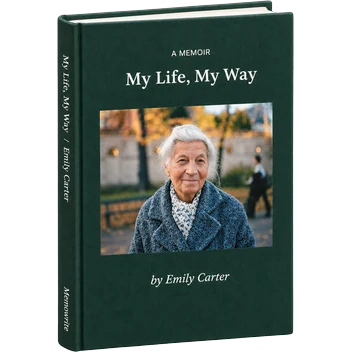
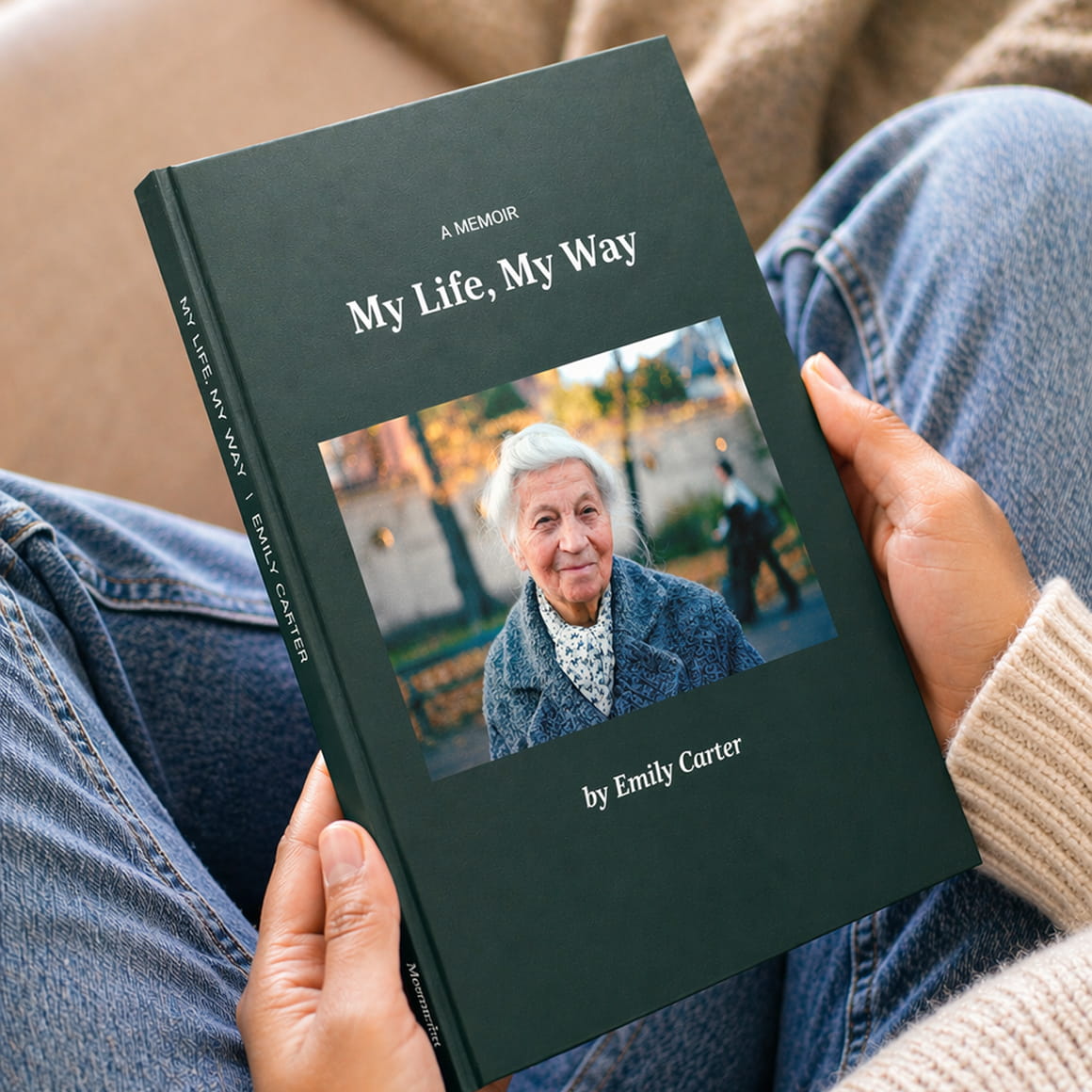
My Life, My Way, by Emily Carter
This is an example written to show the format, not a customer’s story. Each chapter grew from one guided question.
Memories of My Parents
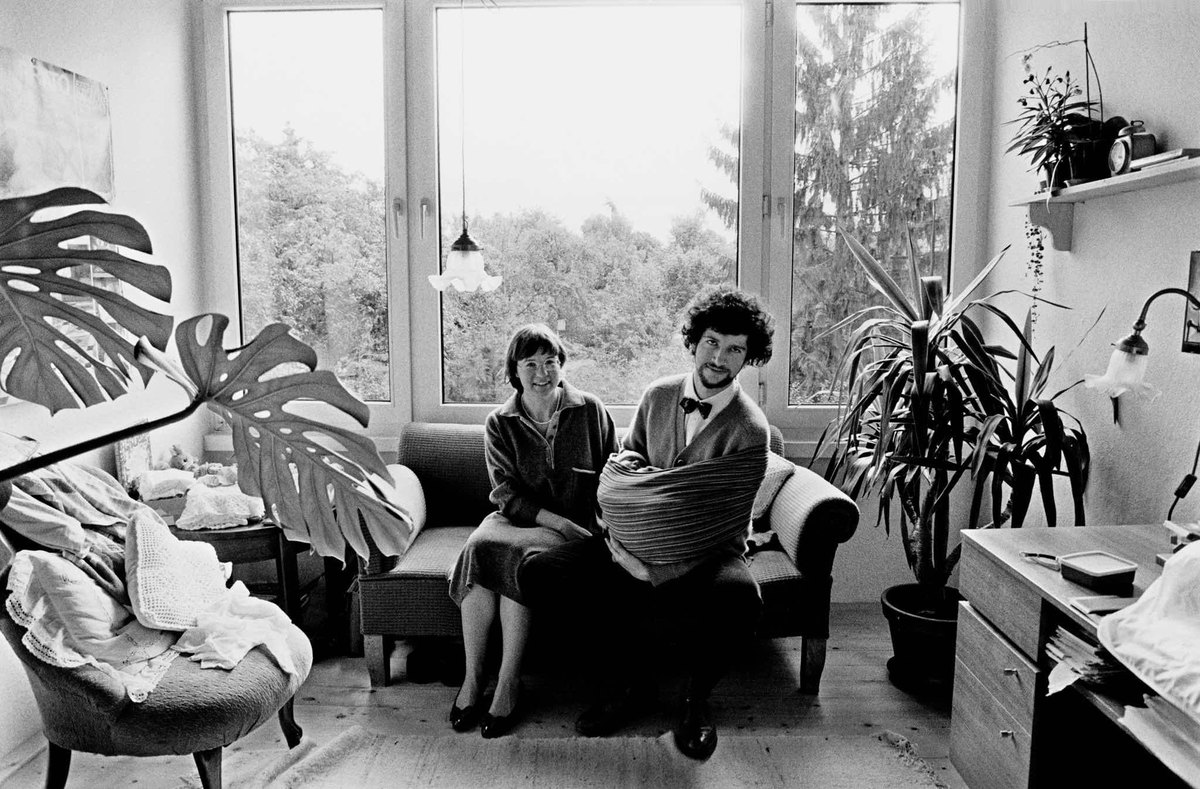
When I think about my parents, I see two very different people who somehow fit together just right. My father was a quiet, steady man. He wasn’t one for long speeches or big displays of affection, but you always knew where you stood with him. He believed in hard work, in showing up on time, and in doing what you said you were going to do. My mother, on the other hand, had a bit more spark to her. She could be firm — and goodness, she had a look that could stop you in your tracks — but she also had a warmth that filled up a room.
My dad worked long hours, and most of my memories of him are tied to the end of the day. I can still picture him coming up the front walk in his work clothes, shoulders a little tired but his step steady. He’d wash up at the kitchen sink before supper, the water running over hands that were rough and cracked from the job. He didn’t complain much. If money was tight or work was uncertain, he carried that quietly. What I learned from him wasn’t through lectures. It was through watching. Watching him fix what was broken instead of throwing it out. Watching him keep his word, even when it cost him something.
He wasn’t overly sentimental, but there were small moments that meant everything. The way he’d let me sit beside him while he changed the oil in the car. The time he taught me how to ride a bike, jogging behind me without saying much, just keeping a steady hand on the seat until I found my balance.
When he was proud of you, you could see it in his eyes, even if he only said, “That’s good” and gave a small nod.
My mother was the center of our daily life. She kept the house running on what must have felt like sheer willpower some days. Meals were on time, clothes were mended, floors were swept. But she was more than just the tasks she handled. She had a way of making things feel safe. If I was upset, she’d sit at the kitchen table with me and listen, really listen, even if there were a dozen other things waiting to be done. She didn’t always agree with me, but she heard me.
She also had a streak of determination that I didn’t fully appreciate until I was older. She grew up with very little and carried that “waste not, want not” mindset into everything. Nothing was thrown away if it could be fixed or repurposed. She could stretch a meal like nobody’s business. But she also believed in small joys — fresh curtains in the spring, a birthday cake made from scratch, a new dress for Easter even if it meant saving for months. She wanted us to feel cared for.
They were both products of their time in many ways. There were expectations — about respect, about roles, about how children should behave. We didn’t talk back. We didn’t question every rule.
Love wasn’t always spoken out loud, but it was shown in steady, practical ways. It was in my father scraping ice off the windshield before anyone else was awake. It was in my mother sitting up late to wait for us to come home safely.
Looking back, I can see their flaws more clearly now, too. They were human. They worried. They disagreed. They carried stresses I didn’t understand as a child.
But what stands out most is the consistency of their presence. They were there. Day after day. They gave us roots — a sense of right and wrong, of responsibility, of belonging.
And even now, all these years later, I catch myself doing or saying something and thinking, “Well, that’s your father,” or “That’s your mother coming through.” In that way, they never really left.
A Place Called Home
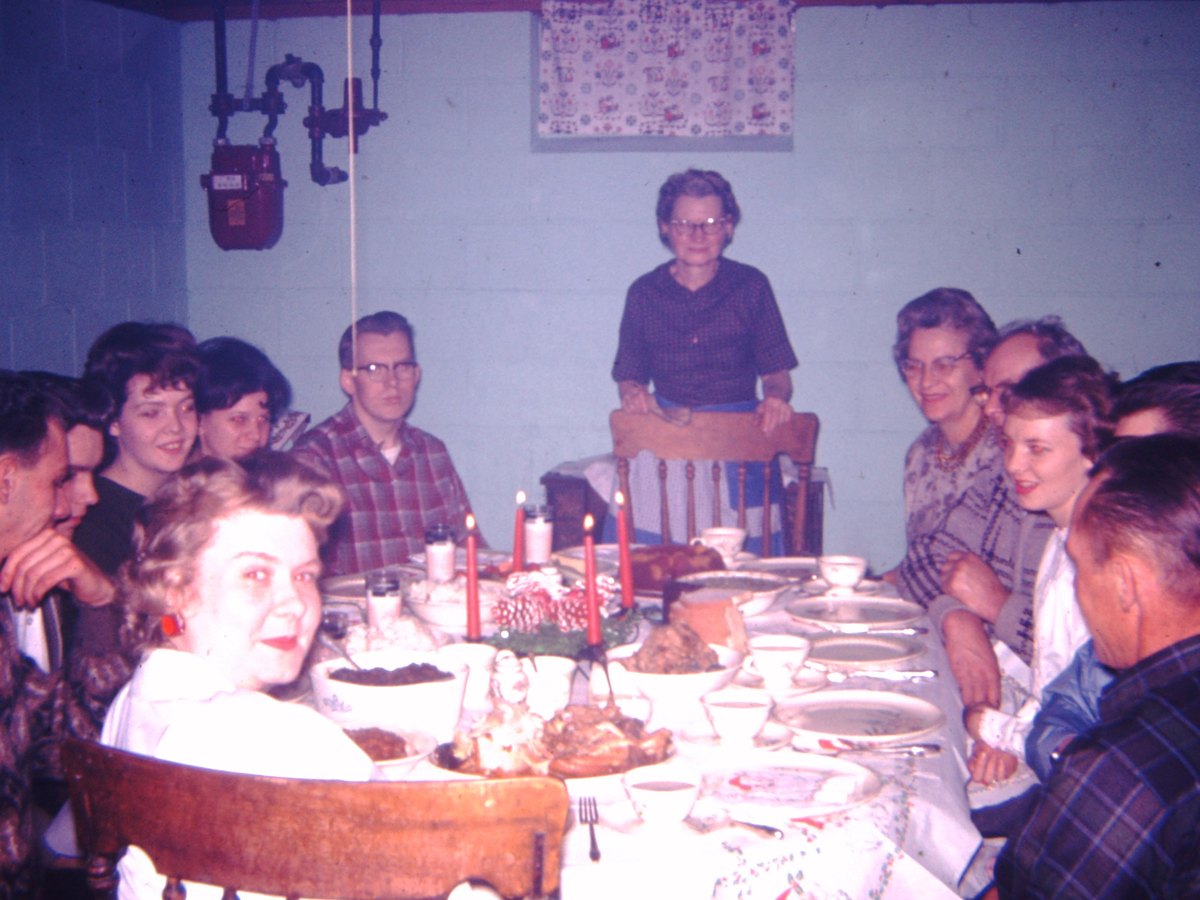
It wasn’t a big house by any stretch. Just a modest, two-bedroom place with wood siding that needed painting more often than my dad had time for. But to me, it felt sturdy and sure, like it was holding us all together.
The living room was the first thing you saw when you walked in. We had a worn sofa with plastic covers for a while — my mother believed in keeping things “nice,” even if they weren’t new to begin with. There was a coffee table that always seemed to have a stack of mail and the TV Guide on it.
The television itself was small, black-and-white, and got only a handful of channels. Still, it felt like a big deal when we all gathered around it in the evenings. Most nights, though, it was quiet enough to hear the ticking of the wall clock.
The kitchen was the heart of the house. That’s where everything happened — homework at the table, long talks over coffee, arguments that got settled before bedtime. The cabinets were painted a pale green at one point, and I can still see my mother’s flour sifter sitting on the counter. The linoleum floor had a pattern meant to look like tile, though it never fooled anyone. It wasn’t fancy, but it was warm.
We had a small backyard with a patch of grass that never grew quite evenly. My dad planted a vegetable garden every spring — tomatoes, green beans, sweet corn if we had the space. There was a clothesline strung up between two poles, and I remember the snap of sheets drying in the wind.
As for the neighborhood, it was the kind where people didn’t lock their doors during the day. The houses were close enough that you could hear your neighbor’s screen door slam. If you misbehaved three houses down, your mother would hear about it before you even got home.
There were sidewalks cracked from tree roots and big maple trees that turned the whole street golden in the fall. In summer, the air smelled like freshly cut grass and charcoal grills. We rode our bikes in lazy circles, played kick-the-can until it got too dark to see, and knocked on each other’s doors without thinking twice.
Nobody needed a playdate arranged in advance. You just showed up. Looking back, what strikes me most is how connected it all felt.
The house itself wasn’t grand, and the neighborhood certainly wasn’t wealthy, but there was a sense of belonging that wrapped around you. People borrowed sugar from one another. They brought casseroles when someone was sick. They stood in their driveways in the evenings and talked about the weather like it was headline news.
It was simple, maybe even plain, but it was steady. And for a child, that steadiness felt like the whole world was exactly as it should be.
The Magic of Play
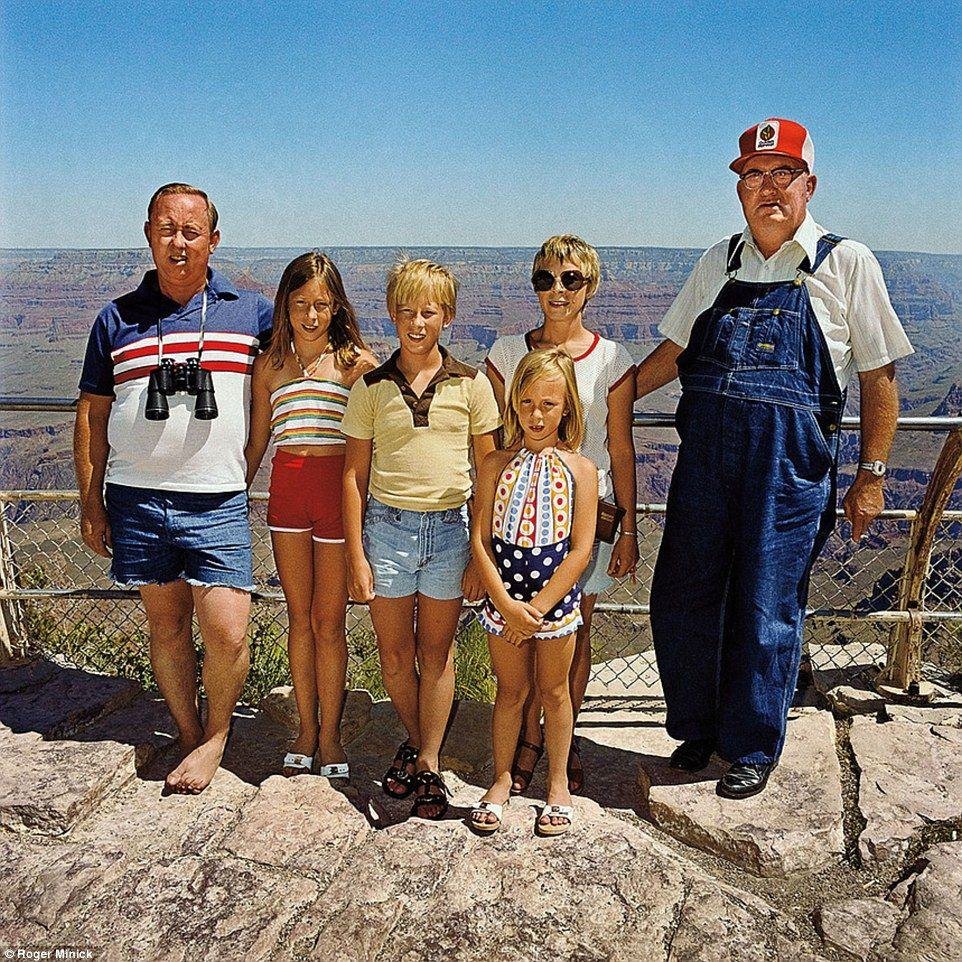
We didn’t have the latest toys or organized schedules. What we had was time and a little bit of freedom, and that turned out to be more than enough.
I loved riding my bike more than just about anything. It wasn’t fancy — just a sturdy old thing with a basket on the front — but when I was on it, I felt like I could go anywhere. I’d ride up and down our street, the wind in my face, pretending I was on some grand adventure. Sometimes a group
of us kids would race to the corner and back, our laughter echoing down the block. There was something about that feeling of motion, of independence, that made the world seem wide open.
Playing outside with the neighborhood kids is probably what I remember most fondly. We played tag until we were breathless, hide-and-seek when the sun started to dip low, and kick-the-can in the summer evenings when the air cooled off just enough to be comfortable again. We made up games, too — complicated little worlds with rules that changed depending on who was “it.” What made it special wasn’t just the games themselves. It was the togetherness. We belonged to that little pack of kids. We argued, made up, and showed up again the next day like nothing had happened.
In the summertime, I adored anything to do with water. We didn’t have a pool, but someone on the block usually had a sprinkler running, and that was good enough. We’d take turns dashing through it, shrieking when the cold water hit our backs. Sometimes we’d fill up old metal tubs and just splash around. It was simple, but on a hot July afternoon, it felt like pure happiness.
There were rainy days, too, when we had to stay inside. That’s when board games came out — checkers, Sorry!, card games at the kitchen table. I remember the sound of cards being shuffled and my dad pretending to grumble when he lost. Those moments felt cozy. The rain tapping against the windows, the smell of something baking in the oven, and all of us gathered in one room. There was a sense of comfort in that closeness.
Looking back, I think what made those activities so joyful wasn’t just what we were doing. It was how present we were. We weren’t distracted. When we played, we really played. When we read, we disappeared into the story. When we laughed, it came from deep in our bellies. Childhood felt unhurried in a way that’s hard to explain now
Childhood Lessons that Resonate
One of my earliest memories is about honesty. I must have been in third grade when I copied a math answer from the girl sitting next to me because I was unsure of myself. My teacher noticed the identical mistake and gently asked me to stay after class. She wasn’t harsh or loud. She simply said, “You’re too capable to borrow someone else’s work.” That sentence has echoed in my mind throughout my life — it taught me that integrity matters so much more than simply getting something right.
I also learned an important lesson about kindness, born from something painful. One year, a new girl joined our class. She dressed differently and kept mostly to herself. Some kids teased her. I didn’t join in, but I didn’t stand up for her, either. One afternoon, our teacher talked to us about how lonely it feels to be left out. I remember coming home and feeling ashamed. The next day, I made a point to sit with that girl at lunch. That moment taught me that silence can hurt just as much as words, and I’ve tried to carry that awareness with me ever since.
A powerful experience came from a history lesson about the Great Depression. My teacher spoke about families who had to stretch every penny and rely on one another. I went home and asked my parents about their own childhoods, which opened up conversations we’d never had before. That was when I first understood that history wasn’t just dates in a book — it was people’s real lives. That realization made me more curious and more compassionate.
High school brought its own challenges. I struggled with algebra; it didn’t come naturally to me, and I felt embarrassed to ask for help. Sensing my frustration, one teacher noticed how quiet I’d become and invited me to come in after school. Step by step, he walked me through the problems, never making me feel foolish. That experience taught me the value of patience — both in teaching and in learning. Sometimes, all you need is someone willing to slow down with you.
I learned resilience through simple persistence. There were snowy mornings when the bus was late, long assignments that felt overwhelming, friendships that faltered. School wasn’t always easy or joyful. But showing up day after day, doing the work, learning from mistakes — those routines built something steady inside me. It prepared me for adulthood far more than any single subject ever could.
When I look back on my school days, certain lessons and moments have stayed with me all these years. They weren’t merely facts from textbooks, but the kind of lessons that settle into your bones and shape the way you move through the world.
I realize the most important lessons weren’t about reading or arithmetic. They were about character — honesty, courage, kindness, responsibility, curiosity, patience, perseverance. These are the lessons that have truly endured, long after any test score faded from memory.
My Role Models: Their Influence and Inspirational Traits

My father, Harold, was the very definition of steady. He worked at the mill for over thirty years and rarely missed a day. Never loud or flashy, he didn’t give long speeches about responsibility — he simply lived it. If he said he’d be somewhere at five o’clock, he was there at five. If something broke, he fixed it. From him, I learned the true meaning of reliability. He showed me that character is forged in the small, unseen choices we make every day. Even now, when I’m tempted to cut a corner, I hear his quiet voice in the back of my mind advising, “Do it right the first time.”
My mother, Margaret, was strong in a different way. She possessed a resilience I didn’t fully appreciate until I was grown. She managed our household on a tight budget, stretched meals, mended clothes, and still found ways to make birthdays and holidays feel special. But beyond that, she had remarkable emotional strength. If one of us kids came to her upset, she would stop what she was doing and listen. From her, I learned compassion and perseverance. She taught me that caring for others is not a weakness, but a profound form of strength.
Beyond my family, one of my greatest role models was my sixth-grade teacher, Mrs. Eleanor Whitaker. She had a way of commanding a room without ever raising her voice, and she believed in her students fiercely. I remember once telling her I didn’t think I was good at writing; she looked at me and said, “You have something to say. Don’t be afraid to say it.” That encouragement meant more to me than she probably ever knew. From her, I learned what it is to have quiet confidence — the kind that grows when someone sees potential in you before you can see it in yourself.
In high school, I looked up to Ruth Callahan, who ran the local library. She always seemed calm, thoughtful, and endlessly patient. Ruth remembered what books I liked and would set aside new ones just for me. She made me feel as though my thoughts truly mattered. From her, I gained a love of learning that has never left me. She showed me that knowledge isn’t just about formal education — it’s about curiosity and staying open to the world around you.
What all these people shared wasn’t fame or wealth. It was integrity. It was steadiness. It was kindness, woven into everyday actions. None of them would have considered themselves extraordinary, but to a young girl growing up in a small Midwestern town, they were living examples of what adulthood could be.
Unveiling the Most Impactful Decision
When I think about the most important decision I’ve made in my life, I don’t hesitate for long. It was saying yes to marrying David.
Now, that might sound predictable — almost like the expected answer from a woman my age. But when I look at the shape of my life, the people who exist because of that choice, the lessons that unfolded from it, I can
trace so much back to that one moment. And the truth is, at the time, it didn’t feel grand or historic. It felt tender. Hopeful. A little frightening. I met David when I was twenty. We both grew up in the same town but ran in slightly different circles. He was steady even then — not flashy, not the loudest man in the room, but observant. He had this way of listening that made you feel like what you were saying mattered. I was drawn to that first. Not to grand gestures, but to reliability.
We started slowly. Church picnics, coffee after work, walks that stretched longer than either of us intended. I remember one evening sitting on the hood of his old car, looking out at the open fields beyond town. He talked about wanting a stable life. A home. Children. Work he could stand behind. There was no dramatic speech about conquering the world. Just a desire for something solid.
At twenty, you don’t fully understand the weight of choosing a life partner. You think you do. You believe you’re choosing love — and you are — but you’re also choosing the person who will stand beside you when money is tight, when health falters, when children test your patience, when grief comes knocking. You’re choosing someone whose habits will become the backdrop of your daily existence.
The most important decision I made wasn’t just saying yes to a wedding. It was saying yes to building a life with someone imperfect but committed. It was choosing steadiness over excitement, partnership over independence alone. And that choice shaped everything.
It would be dishonest to say there weren’t seasons when I questioned that choice — not the marriage itself, but the weight of it. Marriage asks you to compromise. To forgive. To adjust dreams when circumstances change. When David’s hours were cut at the plant, we had to reevaluate plans we had made. Vacations postponed. Renovations delayed. Saying yes to marriage meant saying yes to shared sacrifice. But it also meant shared joy.
Feeling Loved and Embraced
There have been many moments in my life when I have felt loved — in marriage, in friendship, in quiet acts of kindness — but if I had to describe a moment when I felt truly, deeply understood, it would be something that happened years after my children were grown. It wasn’t a grand occasion. There were no speeches or celebrations. It was an ordinary afternoon that carried extraordinary meaning. It happened about three years after David passed away.
Grief, especially after a long marriage, is not loud forever. It becomes quieter, but it never quite leaves. In the first year, people expect your sadness. In the second year, they check in a little less. By the third year, the world has largely moved on, even if you haven’t entirely. I had learned to function. I paid bills. I hosted holidays. I smiled genuinely more often than not. But there were still undercurrents — loneliness that arrived without warning, decisions that felt heavier because I made them alone, moments when I reached for someone who was no longer there.
One Saturday, my oldest daughter — now well into her own adulthood — invited me to lunch. She said it casually, the way grown children do when they are trying not to sound overly concerned.
“Mom, let’s just go somewhere quiet. Just us.”
We chose a small café downtown. Nothing fancy. A place with wooden tables and sunlight filtering through tall windows. We ordered soup and sandwiches and sat across from one another.
At first, the conversation was light. Work updates. Stories about the grandchildren. A funny mishap involving her car battery. I listened, asked questions, smiled. Then she grew quiet.
She looked at me in a way that was steady and searching — not the way a child looks at a parent, but the way one adult looks at another.
“Mom,” she said gently, “how are you really doing?”
I had heard that question before, many times, in the years since David died. But usually it was asked in passing. Or with an expectation of reassurance.
This felt different. There was no rush in her voice. No visible discomfort
with whatever answer might come.
By that point, I had grown accustomed to protecting my children from the depth of my loneliness. I did not want them to feel responsible for filling the space left behind. I did not want them to worry excessively.
So I often answered, “I’m okay,” and meant it — partially. But that afternoon, something in her gaze made me set aside the practiced response.
“I miss him,” I said. “I miss having someone to turn to at the end of the day and say, ‘Did you see that?’ I miss not having to make every decision by myself.”
She didn’t interrupt. I went on.
“Sometimes,” I admitted, “I feel like I’m living in a house full of echoes. It’s still my life. I’m grateful. But there’s an emptiness that doesn’t go away.” There were tears in my eyes by then, though I hadn’t intended to cry.
“Mom,” she said softly, “I know. And you’ve been so strong since he’s been gone. But you don’t have to pretend you’re not still grieving.”
That sentence broke something open in me. You don’t have to pretend. I hadn’t realized how much of my composure was, in part, performance. Not false — but protective.
She went on to say something that I will carry with me for the rest of my life. “I learned how to love from watching you two,” she said. “And I learned how to be strong from watching you after he died. But strength doesn’t mean you don’t hurt.” In that moment, I felt seen not as “Mom,” but as a woman.