How a self-reflection book differs from a blank journal
A journal is open-ended. That suits some people, and others never get past the first week. This book is guided, and it has an end point.
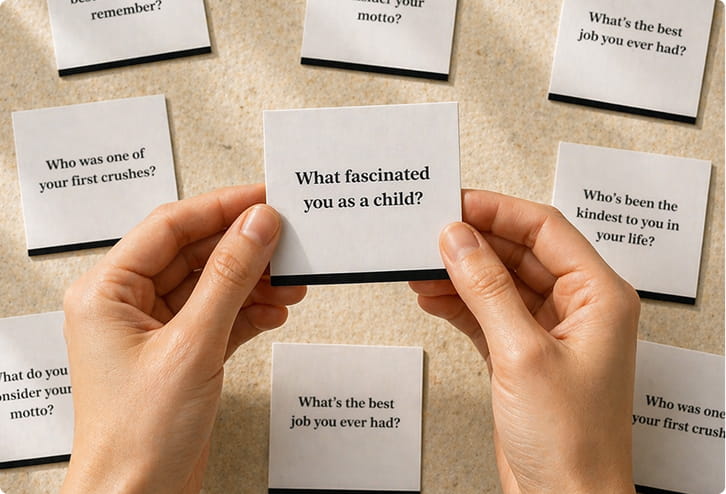
- Guided questions. Every plan includes 50 of them. Answer at your own pace, skip any you like and add your own.
- Writing or speaking. If typing feels like a chore, answer out loud instead.
- No daily habit to keep up. There is no schedule and no set number of questions to answer.
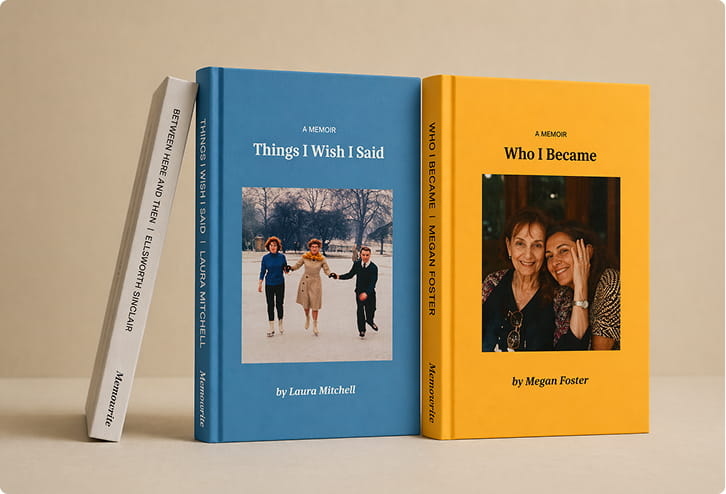
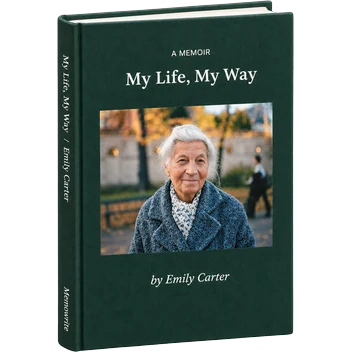
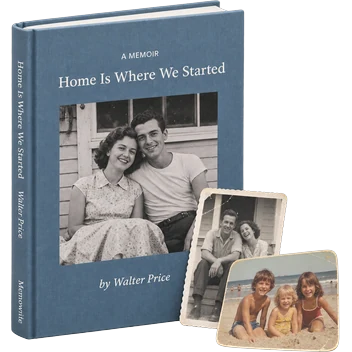
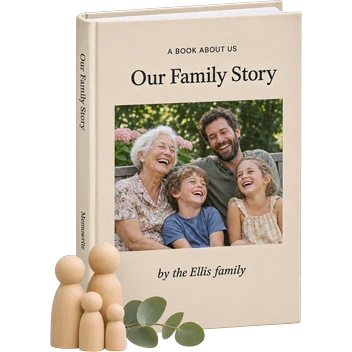
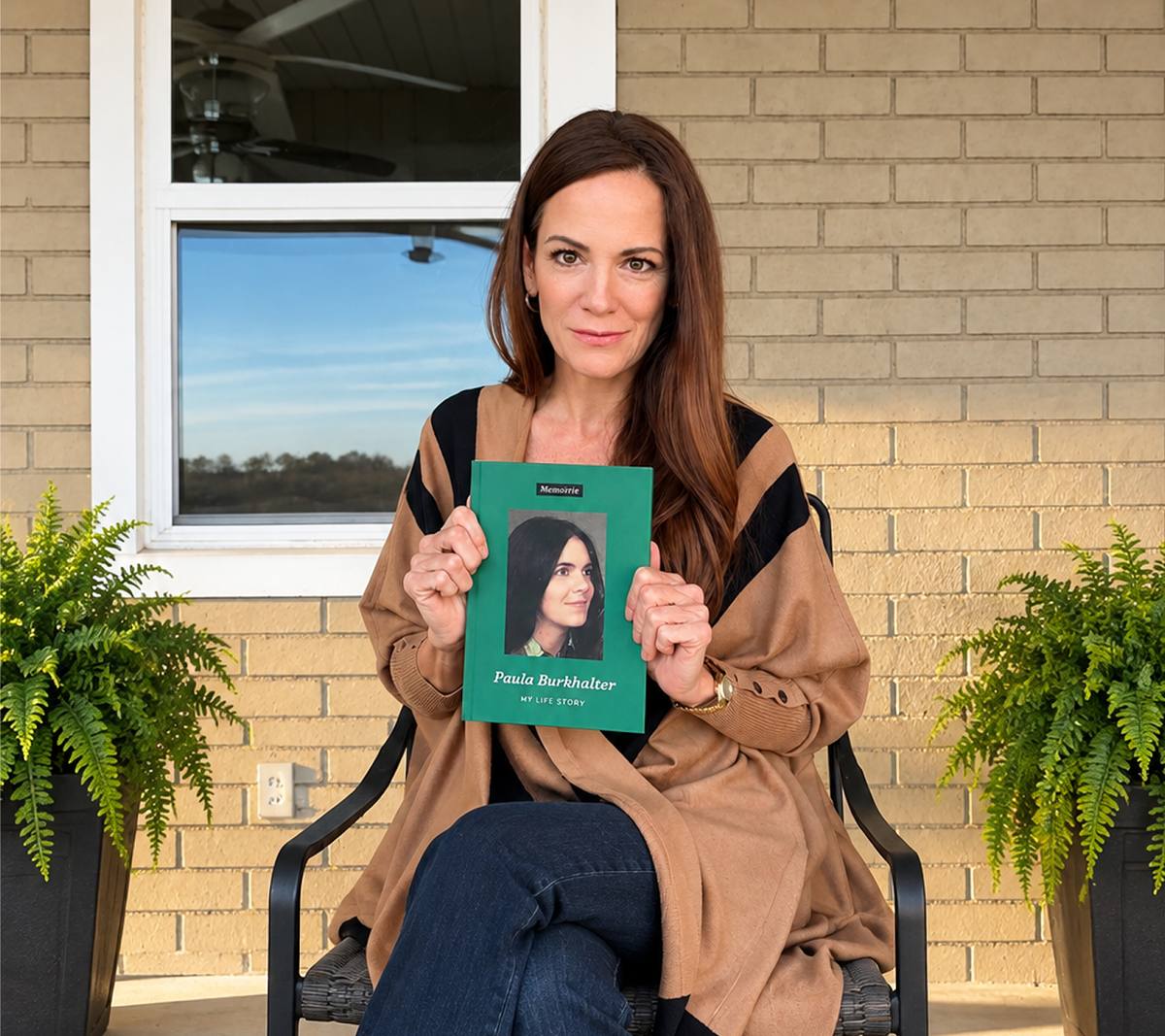
- A printed book at the end. One hardcover book is included, with up to 500 pages and up to 100 photos in full color.
How it works walks through each step, from the first question to the printed book.
What goes in a year in review book
A book about your year is less about the calendar and more about change. Themes that fit well:
- Where the year started: what you hoped for, and what you were carrying
- The hard parts, and the strengths they showed you
- Habits you built or dropped, and boundaries you set
- The people who mattered: who supported you, who you grew closer to, who you let go
- Small wins worth writing down before you forget them
- What you believe now that you did not believe a year ago
- What you want to carry into the next year
Add photos where they help tell it: the new apartment, the trail you walked every weekend, the people who showed up when it counted.
Self-growth journal prompts to start with
If you want to try the idea first, take one of these to a quiet half hour. A few lines is enough; you can always come back to it.
- What did I stop doing this year, and what did that make room for?
- When did I surprise myself?
- Which conversation changed my mind about something?
- What do I know now that I needed to hear in January?
- What am I proud of that nobody else saw?
Good prompts ask about a specific moment, not a general feeling. "When did I surprise myself?" gets you a story. "Am I a better person now?" usually gets you a shrug.
Keeping the book, or sharing it
This book is yours first. You keep full ownership of your stories and photos, and you decide who reads it. You might keep it on your own shelf as a marker of the year, or share it with a partner or a close friend who lived through it with you.
Extra copies can be added while the book is still being written, if you want one to give away. Read it again in a few years, and it shows you not only what happened, but who you were becoming.
Who it suits, and who it may not
It suits someone at the end of a big year: after a move, a breakup, a new job, a graduation, a recovery or a milestone birthday. It also suits someone who likes to reflect but has never kept a journal going, and wants something with a clear shape and a finished result.
It may not suit someone who loves a blank notebook and already has a writing routine that works. And if you are in the middle of something hard right now, the book can wait. Reflection often comes easier with a little distance, and you can start whenever you are ready.