Maria Kontrim ·
Family Memory Book 101: How to Create a Memory Book Your Family Will Cherish
Learn how to build a lasting family memory book step by step, with easy layout ideas, photo tips, and simple ways to keep every story safe for generations.
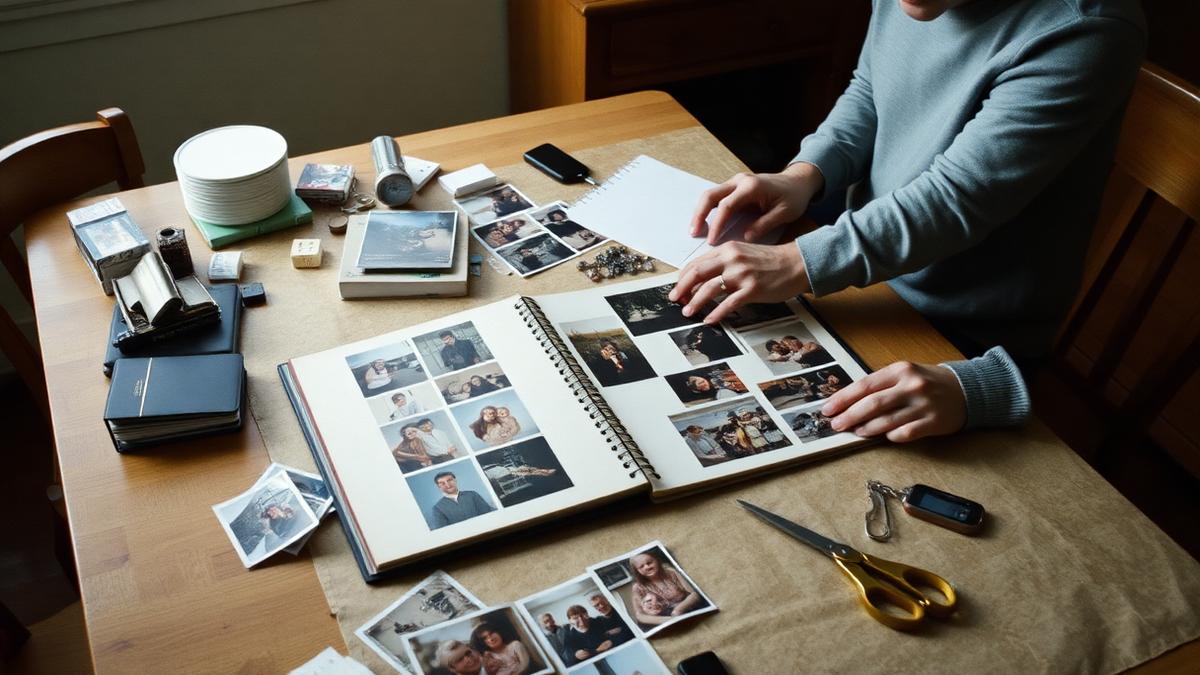
Many families have a box tucked somewhere, collecting dust. Inside are old photos, ticket stubs, birthday cards, and maybe a letter your grandmother wrote decades ago. You can turn everything in that box into a family memory book your kids can hold, read, and hand down to the next generation.
In this guide, we’ll cover how to create a memory book, step by step, with real page ideas, common mistakes to avoid, and tips that make the whole process smooth.
What Is a Memory Book?
A memory book is a collection of photos, stories, and small keepsakes that capture the people and moments a family loves most. It differs from a photo album in that a photo album mostly holds pictures while a memory book holds pictures alongside the stories behind them.
Memory books have details like who took the photo, what was happening that day, and why it mattered enough to keep. It can include handwritten notes from family members, old letters, ticket stubs, report cards, and small objects that don't fit anywhere else but still mean something.
Why Your Family Needs a Family Memory Book
Stories often get lost once the person who remembers them is gone. A family memory book can help keep them alive. You get to have memories of the small habits that made your dad who he was or the recipe your grandmother never measured out and carried in her head instead.
It also gives your family something to do together. Kids get to ask questions and hear stories their parents never shared before. Older relatives get a chance to put their life into words while they still can, which many people find meaningful once they get started, even if they were hesitant at first.
There's a practical advantage. When a family member passes away, photos and stories often get scattered between different relatives, phones, and old boxes. A memory book gathers all of that into one place before it has the chance to get lost. And once it's finished, it becomes one of the few gifts that gets better with age instead of losing value, since every year that passes only adds to what it represents.
How to Create a Memory Book: Where to Start
You don't need design skills, a big budget, or perfect handwriting to create a memory book. Here's a simple four-step approach that works for creating your own family memory book or putting one together as a gift for a parent or grandparent.
Step 1: Gather Photos, Letters, and Newspaper Clippings
Start by collecting everything that might belong in the book. Photos are the obvious choice, but don't stop there. You can add old birthday cards, newspaper clippings, report cards, plane tickets, wedding invitations, and even grocery lists.
Sort what you find into rough piles by decade, person, or event, whichever makes the most sense for your family. This part takes patience, so give yourself more than one sitting to work through it properly. You'll likely find things you forgot you had, and some items may need input from other relatives before you know what they even are.
Step 2: Talk to Your Family Members While You Still Can
Set aside time to sit down and ask your family members questions, especially the older ones. Treat it as a conversation rather than an interrogation.
The Smithsonian Institution Archives recommends starting with easy, low-pressure questions, such as where they were born, before moving into deeper territory. Bring old photos to the conversation too. Seeing a picture often brings back details a plain question never would, including names, dates, and small side stories that would otherwise stay buried.
Write down or record what you hear as soon as you can, even if it's just a voice memo on your phone. Memory has a way of losing detail the longer you wait to capture it, and follow-up questions often lead to the best stories.
Step 3: Choose the Right Format for Your Family
Once you have your material, decide how the book will actually come together. Some families prefer a scrapbook they can pass around the table, glue pages by hand, and add to over time. Others prefer a printed hardcover book that holds up better over the years and looks more finished on a shelf.
There’s also the option of creating a digital book. A digital memory book is easier to edit, share with far-away relatives, and back up, but it loses some of the tactile feel that makes physical keepsakes special. Many families end up doing both a digital version for easy sharing and a printed copy for the family bookshelf.
If writing and organizing everything on your own feels like a lot, guided platforms can help. Memowrite, for example, uses structured questions to pull stories out of family members who might not know where to begin, then compiles the answers into a printed keepsake without requiring anyone to sit down and write from scratch.
Whatever format you pick, make sure it's one your family will actually open again in ten years, not just once and forget in a drawer.
Step 4: Organize Your Story Before You Start Creating a Memory Book
Before creating a memory book, decide how you'll structure it. The two common approaches are a timeline that follows events in order, or a theme-based layout organized around topics like holidays, milestones, or family recipes.
A timeline is easier to follow for readers who want the full picture from start to finish. A theme-based layout works better when you're pulling together stories from many people at once, since not everyone remembers the same events in the same order.
How to Create a Family History Book That Spans Generations
If your goal is closer to genealogy than a single family's current life, then you're trying to create a family history book. People often use family memory book and family history book interchangeably, but there’s a slight difference.
A family memory book usually focuses on the life your immediate family is living right now, including birthdays, holidays, and everyday moments worth remembering. A family history book reaches further back and includes ancestry, old family photos, family trees, and the stories of relatives you may have never personally met.
Here’s how to create a family history book:
- Start with what your older living relatives already know. Confirm names, dates, and relationships from them.
- Then fill in gaps using records from sites like FamilySearch, which holds birth, marriage, and immigration records that can confirm dates and names your family may only remember loosely.
- Pair each ancestor's record with any photo you can find, even a blurry one.
Expect this process to take longer than a standard memory book, as genealogy research often takes time. So treat it as an ongoing project rather than something you'll wrap up in a weekend.
Memory Book Page Ideas Your Whole Family Will Love
These are some memory book page ideas that work well for almost any family, no matter how much or how little material you're starting with:
- A "then and now" spread, pairing an old photo of a parent or grandparent with a recent photo of their child or grandchild at the same age
- A family recipe page, written in the cook's own handwriting if you still have it
- A page of favorite sayings or phrases a grandparent always repeated
- A family tree, even a simple hand-drawn one
- A holiday traditions page describing what your family does every year and why it started in the first place
- A letter written to future generations, from whoever is putting the book together
- A pet page, since family pets often carry as many memories as people do
- A map page marking every place the family has lived or traveled together
- A milestones page listing first steps, first jobs, graduations, and other markers worth remembering
Mix these with straightforward photo pages so the book doesn't feel like a school project.
Memory Books for Adults Make Meaningful Gifts
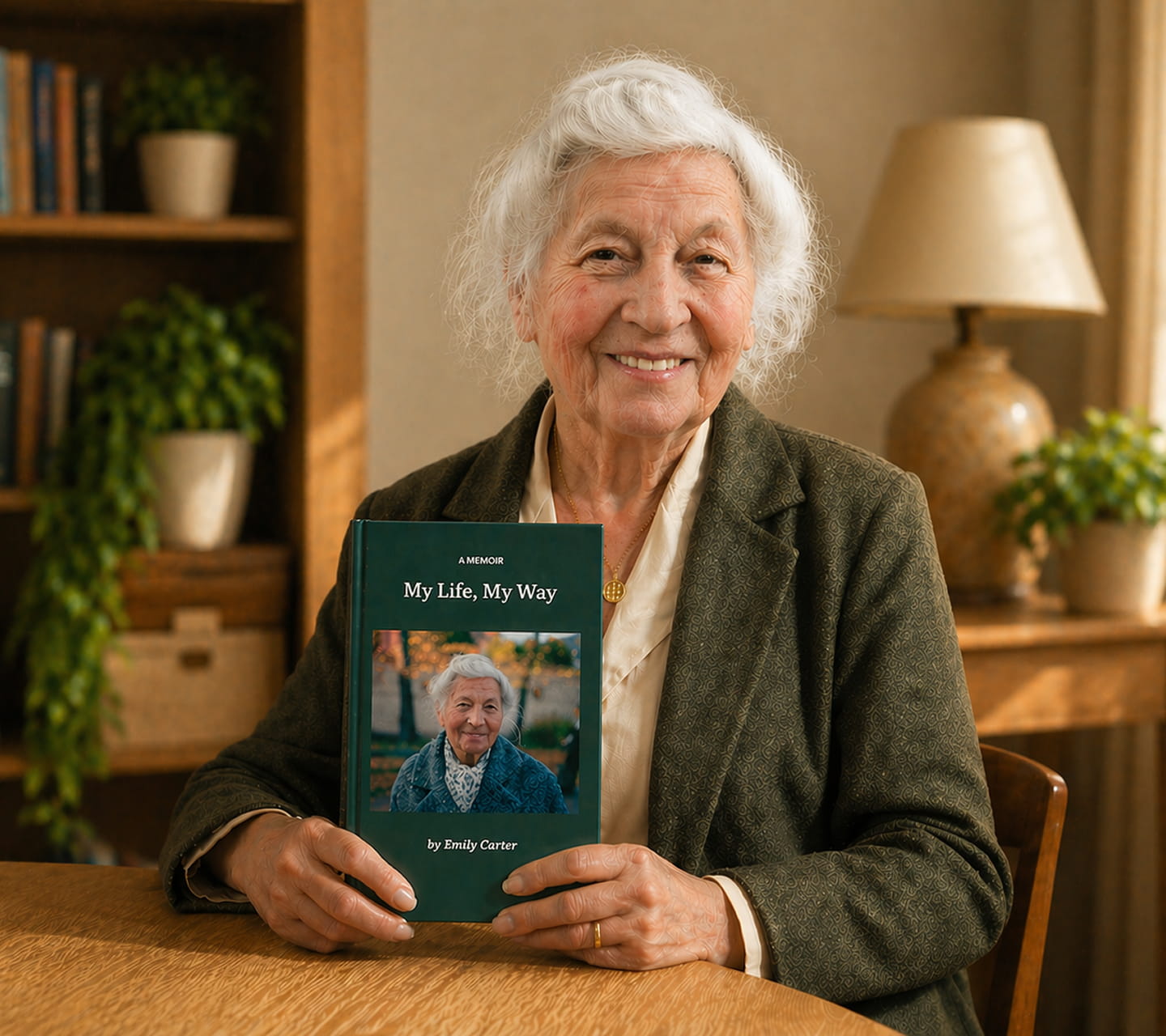
While plenty of memory books get made for kids, memory books for adults are just as common, especially as gifts for aging parents or grandparents. Instead of asking someone to write their life story from a blank page, which can feel overwhelming and easy to put off indefinitely, a guided set of questions makes the process far easier to actually finish.
For an older relative, putting their life into words can be a source of real pride, something they can point to and say they finished. For the rest of the family, it becomes something to return to long after that person is gone, filled with their voice, their phrasing, and the details only they could have remembered.
Mistakes to Avoid When Making Your Book
Here are some common mistakes you want to avoid when putting your family memory book together:
- Waiting too long to interview older relatives. Memories and health both change quickly, so don't put this off for "someday."
- Using regular glue or tape on old photos. It damages them over time and can be hard to undo once it's dried.
- Forgetting to label photos with names, dates, and places. A photo without context loses most of its value within a generation, once the people who could identify it are gone.
- Trying to include everything in one edition. It's fine to leave material for a second volume rather than cramming every photo into a single book.
- Skipping the digital backup. A single water leak or house fire can undo years of collecting in one afternoon.
Keep It Safe: Preserving Your Memory Book for the Future
Protecting your book once it’s done is just as important as building it. The Library of Congress advises storing family photos and documents away from basements and attics, where temperature and humidity swings cause the most damage over time. Store the book on a flat surface without rolling or folding it. Remove paper clips or rubber bands from old items to prevent rust stains and creases from forming.
Scan all the pages and keep a digital copy somewhere separate from the physical book, in case anything ever happens to the original.
A family memory book doesn't need to be perfect. It just needs to exist. Start with one photo, one story, or one conversation with someone you love, and the rest tends to follow on its own.
Frequently Asked Questions
How do you create a family memory book?
Start by gathering photos, letters, and keepsakes from everyone in the family. Pick a theme, sort your photos by timeline or by person, then add captions and short stories to each page. Choose a physical scrapbook, a printed photo book, or a digital version, and leave room to keep adding pages over the years.
How much does the Memowrite book cost?
Pricing changes depending on promotions, but Memowrite's keepsake book is currently priced around $57 during sales, down from a regular price of $94, and that includes free worldwide shipping, unlimited revisions before printing, and a full-color book with up to 500 pages. Check the Memowrite product page for the current price and any active offers before you order.
What is the best memory book?
There isn't one single answer, since the best memory book is the one your family will actually finish and enjoy for years afterward. Families who want structure and don't want to start from a blank page often do well with a guided service like Memowrite. Families who enjoy hands-on crafting may prefer a DIY scrapbook instead, glue sticks and all. Either way, a memory book only works if it actually gets made, so pick the format you're most likely to stick with.
Start your own book today
Answer thoughtful questions at your own pace and we’ll turn your memories into a beautifully printed keepsake book.