Autobiography vs. memoir: the whole life, or chosen themes
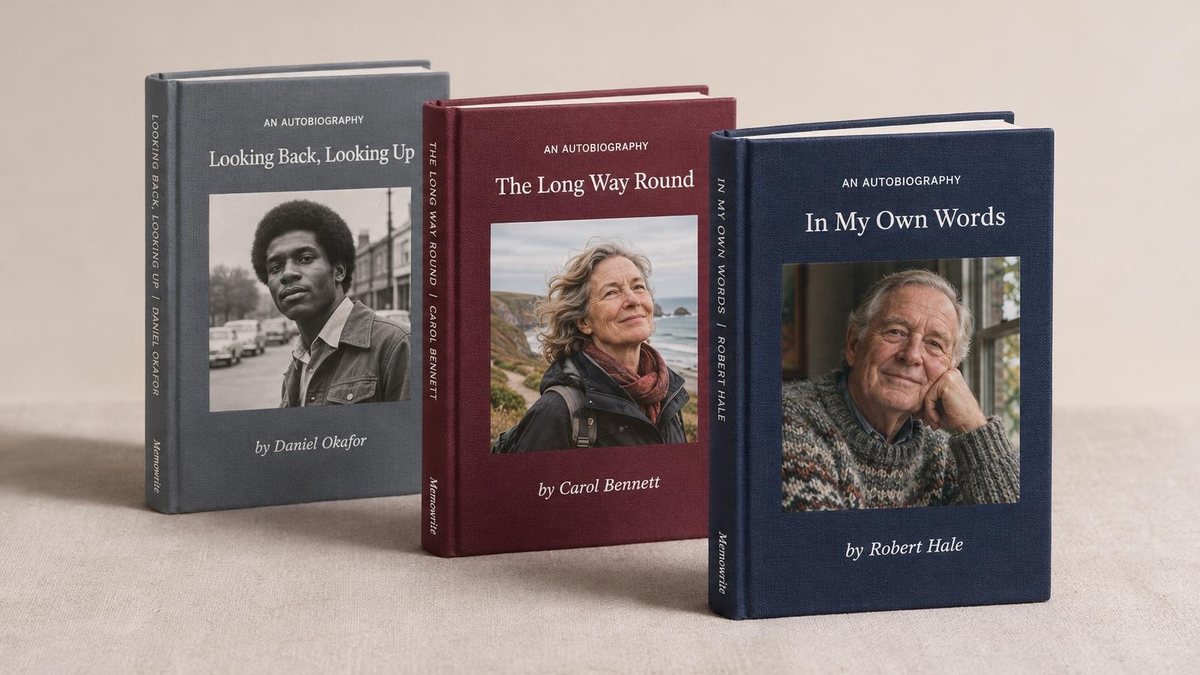
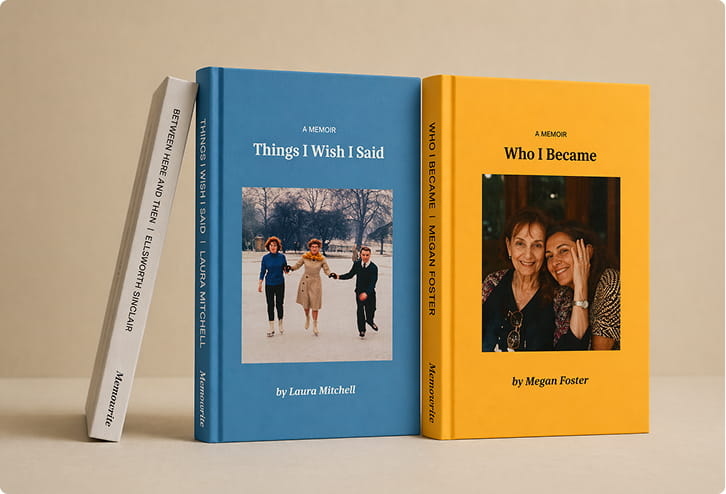
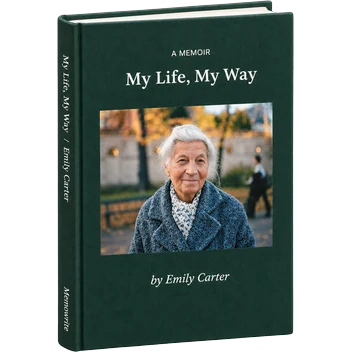
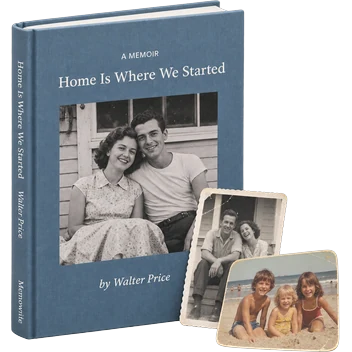
The two words get used loosely, but there is a useful difference. An autobiography tells your whole life, roughly in order, from the world you were born into to where you are now. A memoir picks a theme or a stretch of time, such as a marriage, a career or a move to a new country, and goes deep on that.
Neither is better. If you want your grandchildren to have the full account, from first memories to today, you are writing an autobiography. If one part of your life is the story, you are writing a memoir, and you can skip whole decades without apology. The process is the same either way: answer the questions that matter to you, leave the rest, and add your own.
Write my autobiography for me: the blank page problem
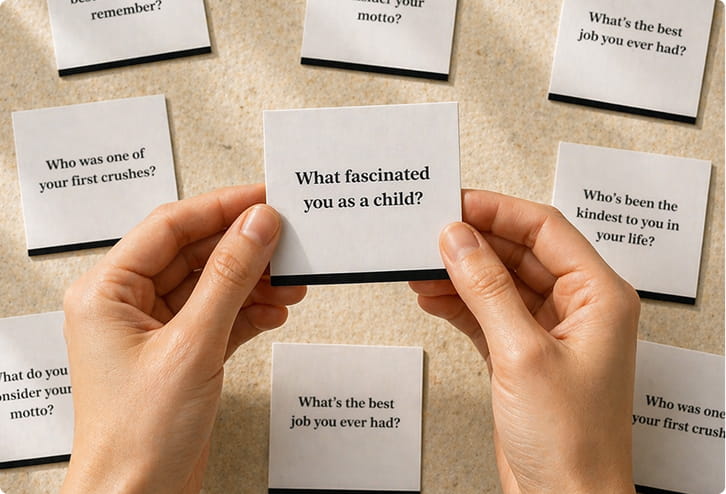
People who look for someone to write their autobiography for them are rarely short of stories. They are short of a starting point and a structure. Guided questions give you both. You never sit in front of an empty document wondering how to begin; there is always a question waiting, and it is always one you can answer.
The words stay yours, and that matters, because a book in your own voice reads like you. Answer by writing, or by speaking if that comes more easily. Short answers are fine. There is no set number of questions to answer, and you can add questions of your own for the stories nobody thought to ask about. How it works walks through each step.
The chapters of a whole life
An autobiography book tends to move through the stages of a life. Use these as a rough map, not a checklist:
- Beginnings: your family's roots, your name, what was happening when you were born.
- Childhood: home, school, friends and what you wanted to be.
- Teenage years: who you were, what you pushed against, what you were sure of.
- Early adulthood: leaving home, first work, first love, finding your feet.
- The middle years: building a career, a home or a family, and the detours along the way.
- Looking back: what you have learned, what surprised you, what you would keep the same.
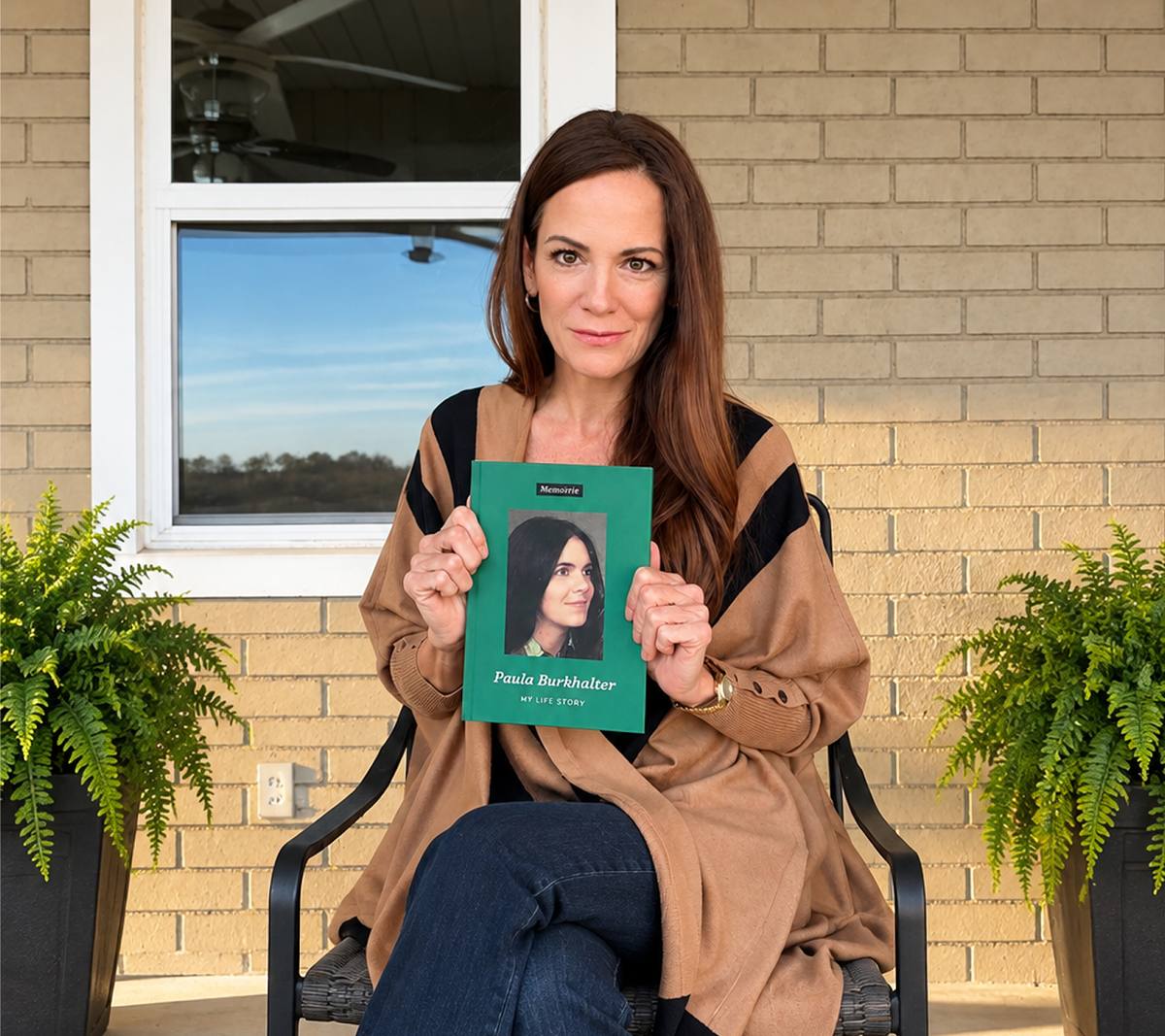
Add photos as you go. The book holds up to 100 photos in full color and runs up to 500 pages, so there is room for a long life told in detail.
How to write an autobiography about yourself
A few habits make it easier to keep going:
- Start with an easy question. An early memory or the house you grew up in warms you up for the harder ones.
- Don't chase exact dates. Write what you remember and how it felt. "Around the time we moved" is fine.
- Write about other people too. Your parents, teachers and friends are part of your story, and readers will want to meet them.
- Include the hard years you're willing to share. They often explain everything else. Leave out what you'd rather keep private; it is your book.
- Come back to it. With no schedule, you can answer one question this week and five the next.
When people write their own autobiography
People sit down to write one at many points: at retirement, at a big birthday, after becoming a grandparent, or when they notice that the stories they have told for years have never been written down. It suits anyone who wants their life on record in their own words.
It may not suit someone who dislikes looking back, or who would rather a family member asked the questions in person. If it's a parent of yours who has the stories, you can also buy it as a gift. When you're ready, compare the plans.