113 questions · Updated
Questions to Ask Elderly Parents About Their Life: 110+ Questions for the Years You Have Together
110+ questions to ask elderly parents about their life: early years, work, raising you, growing older, daily life now and what matters to them most today.

Illustrative image, AI-generated
This page is for grown children whose mother or father is now in their seventies, eighties or nineties. It holds more than 110 questions to ask elderly parents about their life, written for one parent at a time, with notes on asking when energy, hearing or memory are not what they were.
Aging parents are often asked about their health, their medicines and their plans. They are asked far less about themselves. These questions turn that around: who they were before you, what they think about getting old, what a good day looks like now, and what they want you to know. There is also a section of short, easy questions for days when a long conversation is too much.
If you would like questions for both parents together, see questions to ask your parents. For the deeper conversations about values and what they hope to pass on, see the legacy questions.
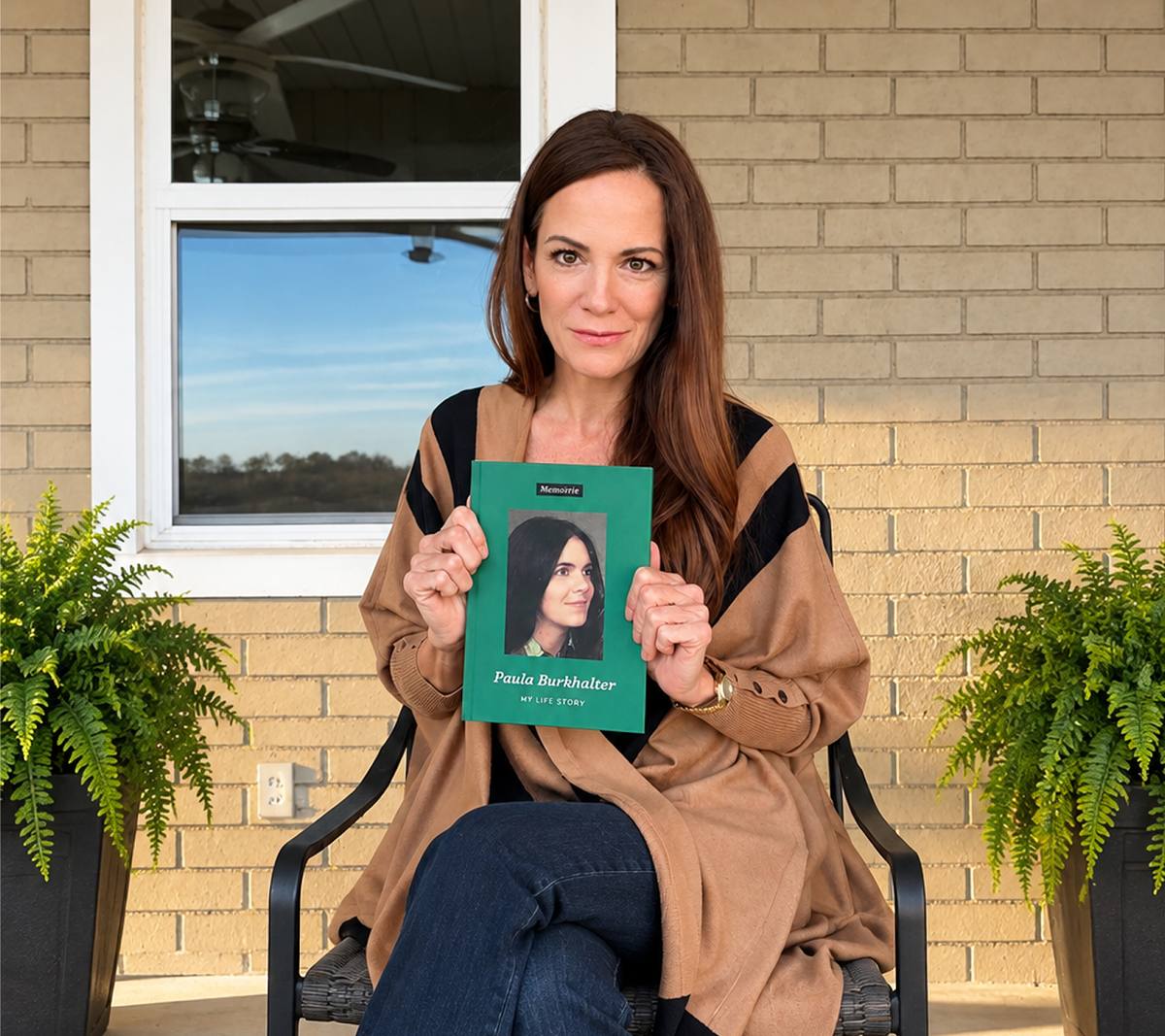
If writing is hard for your parent now, they can speak their answers instead: a life story book for an elderly parent turns answers to guided questions into a printed hardcover book.
Why Ask Now, and When
With elderly parents, visits can fill up with errands and appointments. A few questions on each visit turn some of that time back into conversation. Many parents enjoy being asked; it reminds them, and you, that they are more than the person who needs a ride to the doctor.
Choose the time of day when they have the most energy, often late morning. Keep it short, sit where they can see your face, and stop while it is still enjoyable.
Questions to Ask Elderly Parents About Their Early Years
Early memories often stay clearest, so this is a good place to begin.
- What is a moment from your childhood that you can still see clearly?
- Who looked after you when you were sick as a child?
- What did your parents expect you to become?
- What did you spend your first proper paycheck on?
- Where did you go when you wanted to be alone as a teenager?
- Who was your hero when you were young?
- What did you and your friends do on a Saturday night at eighteen?
- When did you first leave home, and what did you take with you?
- What did you think your life would look like at seventy when you were twenty?
- Which year of your youth would you most like to visit again?
Questions About Caring for Their Own Parents
Your parent was once where you are now. Their experience can be a gentle way into talking about your own.
- What were your parents like when they got old?
- Did you look after your mother or father in their last years, and what was that like?
- What did your parents ask of you as they aged?
- What did you learn from watching your parents grow old?
- What would you have done differently in caring for them?
- Which of your parents' old-age habits do you now understand better?
- How did your parents feel about accepting help?
- Was there something your parents wanted at the end that you were glad to give them?
- Who in the family carried most of the care, and was it fair?
- What did you promise yourself about your own old age after seeing theirs?
Questions About Their Working Years
Work took up most of their adult waking hours, and you probably saw only the edges of it.
- Which job did you hold the longest, and what kept you there?
- What did a normal working day look like for you at your busiest?
- Who was the best person you ever worked with?
- What part of your work were you better at than people realized?
- Was there a time you were treated unfairly at work, and what did you do?
- What did you do on your last day before retiring?
- What did you miss about working once you stopped, and what didn't you miss?
- Which piece of your work is still out there somewhere: a building, a pupil, a business, a garden?
- What would you do for a living if you started again today?
- What did your work teach you that you used at home?
Questions About Raising Us
Looking back from old age, parents often see those years differently. Ask for their side.
- What were you most worried about when we were small?
- Which of us children was the easiest, and which kept you up at night?
- What did you do that you hoped we would never find out about?
- Which family vacation or outing do you remember best?
- What was the hardest part of being a parent in those years?
- What did you sacrifice for us that we never knew about?
- When did you first see me as a grown-up?
- What did you think of the people we married?
- What do you enjoy about having grown children that you didn't expect?
- What would you like each of your children to hear from you?
Questions About the Changes They Have Seen
Your parent has lived through decades of change. Ask about specific things rather than the world at large.
- What was the first car or television your family owned?
- How did you hear news from relatives who lived in another town?
- Which invention made the biggest difference to your daily life?
- Which change in the world do you think was for the better?
- Which change do you think we will regret?
- How has the town you live in changed since you moved there?
- What did a grocery trip look like when you first ran a household?
- What do young people do today that would have shocked your parents?
- Which news event do you remember exactly where you were for?
- What do you find hardest to keep up with these days?
Questions About Growing Older
Many older people are rarely asked how aging actually feels. Ask with curiosity, not worry.
- What has surprised you most about getting older?
- What is better about being your age than people think?
- What is harder than you expected?
- Do you feel your age inside, or a different age?
- What do you do now that you were too busy or too shy to do when you were younger?
- Which friends from your life are still around, and how do you stay in touch?
- What do you wish younger people understood about old age?
- What do you do when you feel lonely?
- How has your idea of a good life changed over the years?
- What still makes you excited to get up in the morning?
- What would you tell me to prepare for, as I get older myself?
Questions About Daily Life Now
Small questions about their days show you care about their life as it is, not only as it was.
- What does a good day look like for you these days?
- What is your favorite part of the day, and why?
- Which small pleasure would you hate to give up?
- What are you reading, watching or listening to at the moment?
- Who do you look forward to seeing or hearing from each week?
- Is there something new you have tried or learned in the past year?
- What would make your week easier that you haven't wanted to ask for?
- What do you think about when you can't sleep?
- What meal would you choose if someone cooked anything you liked tomorrow?
- Where would you like to go, if I could take you anywhere for a day?
What Matters to Them Now
These questions touch on the future. They are not about paperwork; they are about what your parent values. Ask only when the moment feels right, and let them lead.
- What matters most to you about the place you live?
- What would you want to keep doing for yourself for as long as you can?
- If you ever needed more help, who would you want it to come from?
- What would make you feel most at home, wherever you are?
- Is there anything you would like to do, see or settle while you can?
- Who would you like to see more of, and can I help with that?
- Is there anyone you would like to get back in touch with?
- What worries you about the future, if anything?
- What brings you comfort when you think about the years ahead?
- How would you like us to involve you in decisions about your care?
- What do you want us to know that we might be too busy to ask?
Easy Questions for Tired Days
Short and light, for days when energy or memory is low. One or two is enough.
- What is your favorite flower?
- Which song always makes you want to sing along?
- What was your favorite dessert as a child?
- Which season do you like best?
- What is the best dog or cat you ever knew?
- What color would you paint this room?
- Who was the funniest person in your family?
- What is your favorite thing to see out of a window?
- Which smell reminds you of home?
- What is the nicest place you ever stayed?
- What makes you smile when you think of me as a baby?
Questions About the Family's Future
Your parent has watched the family grow. Ask what they see ahead.
- What do you hope for each of your grandchildren?
- Which family get-together of the year matters most to you, and why?
- What do you hope we siblings will do for each other?
- Which family stories should the grandchildren hear from you directly?
- Which grandchild reminds you most of yourself at that age?
- What gives you confidence that the family will be all right?
- What do you hope the family gathers for in twenty years?
- Which of your recipes or skills would you like to teach one of us?
- What would you like your great-grandchildren to know about you?
- What do you think holds a family together over the generations?
Things They Have Never Told Us
Some stories only come out when someone asks directly. Offer these lightly and accept any answer.
- Is there a story from your life you have never told your children?
- What is something you did that would surprise us?
- Who did you love before you met my other parent?
- What dream did you put aside, and do you still think about it?
- What did you keep to yourself to protect us?
- Is there a question you have always wanted one of us to ask you?
- What part of your life do you think we misunderstand?
- What are you proud of that you have never mentioned?
- What would you like to say that you haven't found the right moment for?
- If you wrote one letter to be opened by the family someday, what would it say?
How to Ask Your Elderly Parent
A few adjustments make these conversations easier for an older parent.
- Keep it short: three or four questions, twenty minutes, then stop while it is still enjoyable.
- Sit close, face them, turn off the television and speak clearly. Make sure hearing aids and glasses are in.
- Start with an object, a photograph or a song rather than a question out of nowhere.
- Ask one question at a time and wait. Silence often means they are remembering, not that they have finished.
- Ask permission before you record, and tell them who will hear it.
- Never correct a date or a detail. The story matters more than the facts.
- If a subject brings pain or confusion, move to something light. They can come back to it, or not.
- If speaking tires them, offer to write the question down so they can answer later in their own time.
How to Keep the Answers
Write up what your parent said the same day, while you still remember how they said it. Keep recordings in two places and share them with your siblings. If your parent would like to tell their story in their own words, see how Memowrite works: they can answer guided questions by speaking or writing, at their own pace, and the answers become a printed hardcover book.
Frequently Asked Questions
What are good questions to ask elderly parents about their life?
Ask about specific moments rather than whole decades: a job they held, a house they lived in, the day a child was born. Mix in questions about their life now, such as what a good day looks like, so the conversation is about who they are today as well as who they were.
How do I get my elderly parent to talk about their past?
Bring something to look at, like an old photograph or a map of their hometown, and ask about it. Start with light subjects, keep the session short, and show real interest in the details they choose. Many people open up more on a walk or a drive than face to face across a table.
What should I ask my aging parents before it's too late?
Ask about the people and places only they remember, the stories they have never told, and what they want the family to know. You can also ask, gently, what matters to them about the years ahead. You don't need to ask everything at once; a few questions on each visit add up.
What if my parent has memory problems?
Use short, simple questions about long-ago things, which often stay clearer than recent events. Don't quiz or correct them. If a question causes frustration, switch to something sensory and light, like a favorite song or a smell from childhood.
Should I record conversations with my elderly parent?
If they agree, yes. Their voice is worth keeping, and a recording lets you listen instead of taking notes. Ask first, explain who will hear it, and offer to stop at any time.
Keep the answers in a book
Memowrite asks the questions, your parent can answer by writing or speaking, and the stories are printed as a hardcover book the family keeps.