113 questions · Updated
Legacy Questions to Ask Your Parents and Grandparents: 110+ Questions About What Matters Most
110+ legacy questions to ask your parents and grandparents about their values, turning points, faith, mistakes and what they want to pass on to the family.
Illustrative image, AI-generated
Legacy questions ask about what a person wants to leave behind that can't be put in a will: what they believe, what they learned the hard way, and what they hope the people after them will carry on. This page has more than 110 legacy questions to ask your parents and grandparents, sorted by subject.
They are deeper than most question lists, so they suit a quiet conversation more than a busy dinner. Many people also use them for a recorded interview or a legacy video, and there is a short section of questions that work well on camera. If you want lighter questions about everyday life to go with them, try the lists of questions to ask your parents or questions to ask elderly parents.
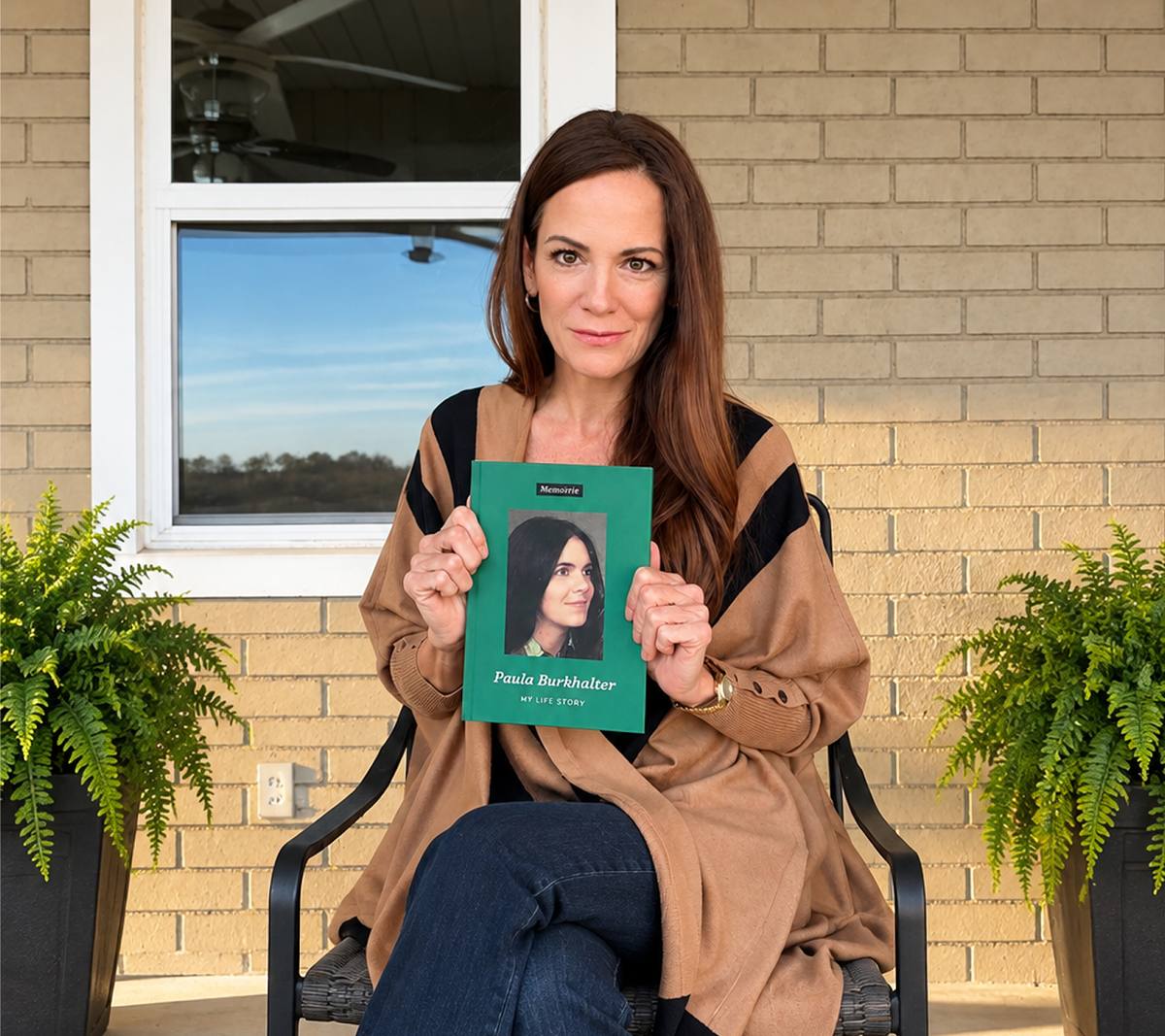
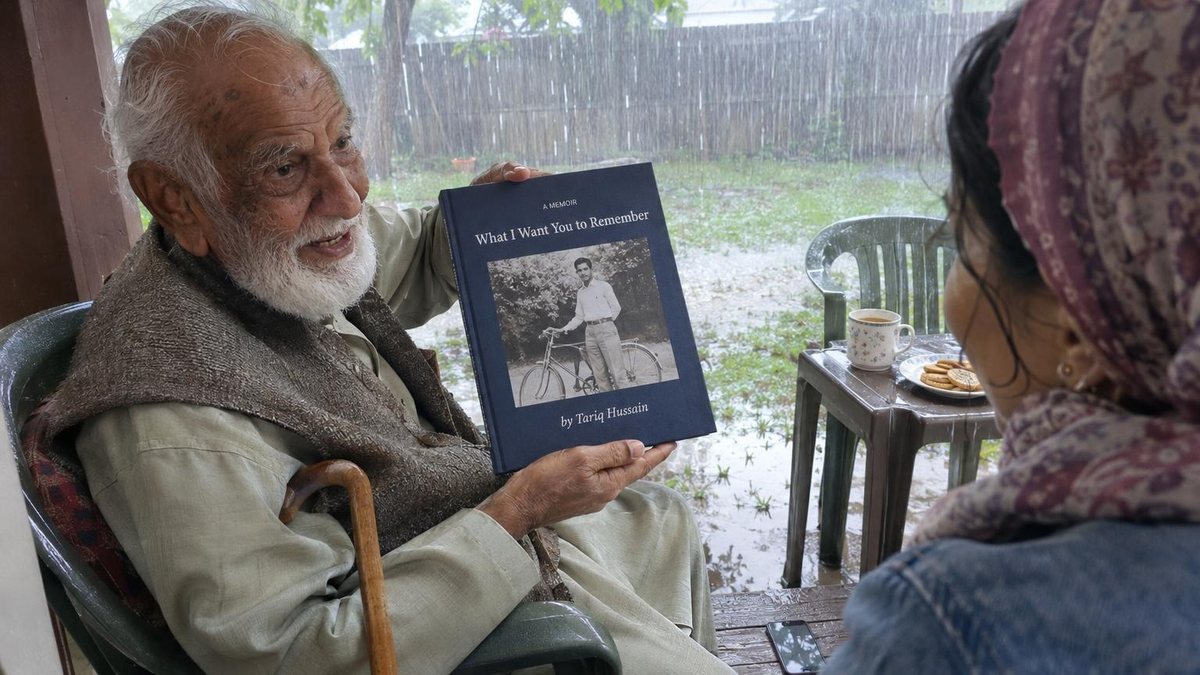
If they would like their answers to last, a memoir written in their own words turns answers to guided questions, written or spoken, into a printed hardcover book for the family.
Why Ask Legacy Questions, and When
Most families know what their elders did. Fewer know why. Legacy questions ask for the reasons: the values behind a decision, the lesson behind a story, the hope behind a habit. Those are the answers people most often say they wish they had asked for.
There is no need to wait for an illness or a milestone. A retirement, a new grandchild or a long drive together can all open the door. Tell them why you are asking; most people are glad to be taken seriously.
Legacy Questions About the Values They Live By
Start with what they believe in, then ask how it shows up in ordinary life.
- Which three values have guided your life more than any others?
- Where did you learn those values: at home, at church, at work, or somewhere else?
- When did standing by one of your values cost you something?
- Which value do you think our family has always been known for?
- What does it mean to you to be a good person, in plain words?
- What would an ordinary day spent well look like for you?
- Which of your values have changed as you got older?
- What do you think matters less than people believe?
- What do you think matters more than people believe?
- How do you decide what is right when the answer isn't obvious?
- What would you never compromise on, no matter what?
Questions About Turning Points and Big Decisions
Every life has a few forks in the road. Ask them to name theirs and to explain how they chose.
- What were the three or four turning points of your life?
- Which decision changed the direction of your life the most?
- Was there a chance you turned down that you still think about?
- Who helped you make the hardest choice you ever faced?
- When did luck play a bigger part in your life than planning?
- Which leap did people warn you against that turned out well?
- Was there a moment when you felt you had truly become an adult?
- What was the bravest thing you ever did?
- Which ending in your life turned out to be a beginning?
- If one decision had gone the other way, how different would your life be?
- How do you know when it is time to change course?
What They Learned About Love, Marriage and Friendship
Ask what years of living alongside other people have taught them.
- What keeps two people together through the hard years?
- Which of your ideas about love turned out to be wrong?
- How do you make up after an argument with someone you love?
- What makes a friendship last for decades?
- Which friend changed your life, and how?
- What should someone look for in a partner, in your view?
- How do you stay close to people when life pulls you apart?
- Which act of kindness toward you do you still repay in your own way?
- What did you learn about love from watching your own parents?
- What small, everyday thing do you do that means 'I love you'?
Legacy Questions About Work, Money and Doing Things Well
Their working life holds lessons about effort, pride and enough. Ask what they would pass on.
- What does a job well done mean to you?
- What did your working life teach you about people?
- How did you decide how much was enough, in money or in work?
- What would you tell someone about to start their first job?
- Which habit with money served you best over the years?
- Which money mistake would you warn the grandchildren about?
- What work did you do for love rather than pay?
- How did you balance work and family, and how would you do it now?
- What skill would you most like to see passed down in the family?
- What do you think makes a person good at what they do?
Questions About Faith, Meaning and Hope
These suit people of any faith or none. Ask openly, and let them answer in their own terms.
- What has given your life the most meaning?
- What part has faith played in your life, if any?
- What do you hope happens after this life, if you think about it at all?
- Where do you find peace when things are hard?
- Has a prayer, verse, poem or saying carried you through a difficult time?
- When have you felt most sure that life is good?
- What questions about life are you still trying to answer?
- What gives you hope about the world the grandchildren will grow up in?
- What do you believe about how people should treat strangers?
- Which spiritual or family practice would you like the next generation to keep?
Questions About Mistakes, Forgiveness and Second Chances
Go gently here. These are questions to offer, not to push. Many people find it a relief to talk about them.
- Which mistake taught you the most?
- Is there someone you have forgiven that you never thought you could?
- Is there someone you would still like to apologize to?
- What did you get wrong as a parent that you would like us to know you understand now?
- When did someone give you a second chance, and what did you do with it?
- How do you forgive yourself for something?
- What grudge are you glad you let go of?
- Which hard time do you now see differently than you did then?
- What did failing at something teach you that success never did?
- Is there anything left unsaid in the family that you would like to say now?
The People Who Shaped Them
A legacy is partly inherited. Ask who passed things on to them.
- Who shaped who you became more than anyone else?
- Which teacher, boss or neighbor changed the course of your life?
- What did your grandparents pass on to you, even if they never said it?
- Whose example do you still follow without thinking about it?
- Who do you wish you had thanked properly?
- Which person in the family do you think carries on something of you?
- Who taught you how to be a parent, for better or worse?
- Which stranger made a difference to you?
- Whose name would you like said in the same breath as yours?
- Who in your life deserves a story that nobody has told yet?
Messages for Children and Grandchildren
Ask them to speak directly to the family. These answers are often the ones people return to most.
- What do you want each of your children to know about how you see them?
- What do you hope your grandchildren will understand about you one day?
- What would you say to a great-grandchild you may never meet?
- What do you want the family to do when times get hard?
- Which family habit do you hope survives long after you?
- What would you like us to do on your birthday after you are gone?
- What do you hope the family never forgets about where we came from?
- What would you like read aloud at a family wedding?
- What worries you about the family's future, and what reassures you?
- What do you hope the youngest ones in the family will become?
- If you could put one sentence on the family's front door, what would it say?
Family Things Worth Keeping
Legacy is also practical: the recipe, the watch, the song. Ask which things matter and why.
- Which of your belongings has a story that should go with it?
- Which recipe should never be lost, and who should learn to make it?
- Is there a song, prayer or poem that should be part of family occasions?
- Which photographs matter most to you, and who is in them?
- Is there a place that should stay important to the family?
- Which family tradition did you start yourself?
- What would you like done with your letters, diaries or papers?
- Which of your skills would you most like to teach someone before you stop?
- Is there an object you would like a particular person to have?
- What doesn't matter at all, even if people might fuss over it?
How They Would Like Their Story Told
Ask them to step back and look at their life as a story. Let them be the author.
- If your life were a book, what would the chapters be called?
- What would you want the first line of your life story to say?
- Which part of your life do people know least about?
- Which story about you do people tell wrong?
- What is one thing about you that might surprise your grandchildren?
- What do you want people to feel when they think of you?
- Which accomplishment matters to you that nobody else noticed?
- What should be left out of your story, if anything?
- Who would you like to tell your story when you can't?
- How would you sum up your life in a single sentence?
Short Questions for a Legacy Video
If you are recording, short questions with room for a story work best. Ask one, then let the camera run.
- Can you tell us your full name, and where and when you were born?
- What is a story from your life you never get tired of telling?
- Which moment in your life would you most like to live again?
- What makes you laugh every time you think of it?
- What would you like to say to the family right now?
- Which song should we play when we think of you?
- What are you most thankful for today?
- What is your wish for everyone watching this?
- What do you hope people say about you when you aren't in the room?
- Is there anything we didn't ask that you want to say?
How to Ask Legacy Questions
These questions go deep, so the way you ask matters as much as what you ask.
- Explain why you are asking. “I want to know what you think matters” lands better than a surprise interview.
- Choose a calm, private setting with time to spare.
- Start with a lighter section, such as the people who shaped them, before moving to mistakes or faith.
- Ask permission to record, and offer to share the recording with them.
- Let silences sit. A legacy question often needs a minute before the real answer comes.
- If a question is unwelcome, drop it without fuss. They can come back to it another day.
- Spread the questions across several conversations rather than one long sitting.
How to Keep the Answers
Legacy answers are worth keeping word for word. Transcribe recordings, keep a copy in more than one place, and share them with siblings and grandchildren. If your parent or grandparent would like to answer in their own time, see how Memowrite works: they answer guided questions by writing or speaking, and the answers are printed as a hardcover memoir.
Frequently Asked Questions
What are legacy questions?
Legacy questions ask what a person wants to pass on beyond money and belongings: their values, lessons, beliefs, stories and hopes for the family. They are usually asked of parents and grandparents, and the answers are often recorded or written down.
What legacy questions should I ask my parents?
Ask about the values they live by, the turning points of their lives, what they learned about love and work, and what they want their children and grandchildren to know. Pick a few from one section at a time rather than asking everything at once.
What questions should I ask in a legacy video?
Short, open questions that invite a story: a moment they would live again, a message for the family, a song that reminds people of them. Record in a quiet room, let them talk without interruption, and keep each session under an hour.
Are legacy questions only for the end of life?
No. They work at any age and are often easier to ask when nobody is unwell. Retirements, birthdays and the arrival of a grandchild are natural moments to start.
What if my parent finds these questions too personal?
Start with lighter questions about everyday life and the people who shaped them, and save faith and mistakes for later or skip them. Some people find it easier to write their answers than to say them aloud. Let them choose the pace.
Keep the answers in a book
Memowrite asks the questions, your parent or grandparent can answer by writing or speaking, and the stories are printed as a hardcover book the family keeps.