116 questions · Updated
Questions to Ask About Family History: 110+ Questions for Parents, Grandparents and Relatives
110+ questions to ask relatives about family history: names, places, moves, work, traditions, heirlooms and the family stories nobody has written down yet.
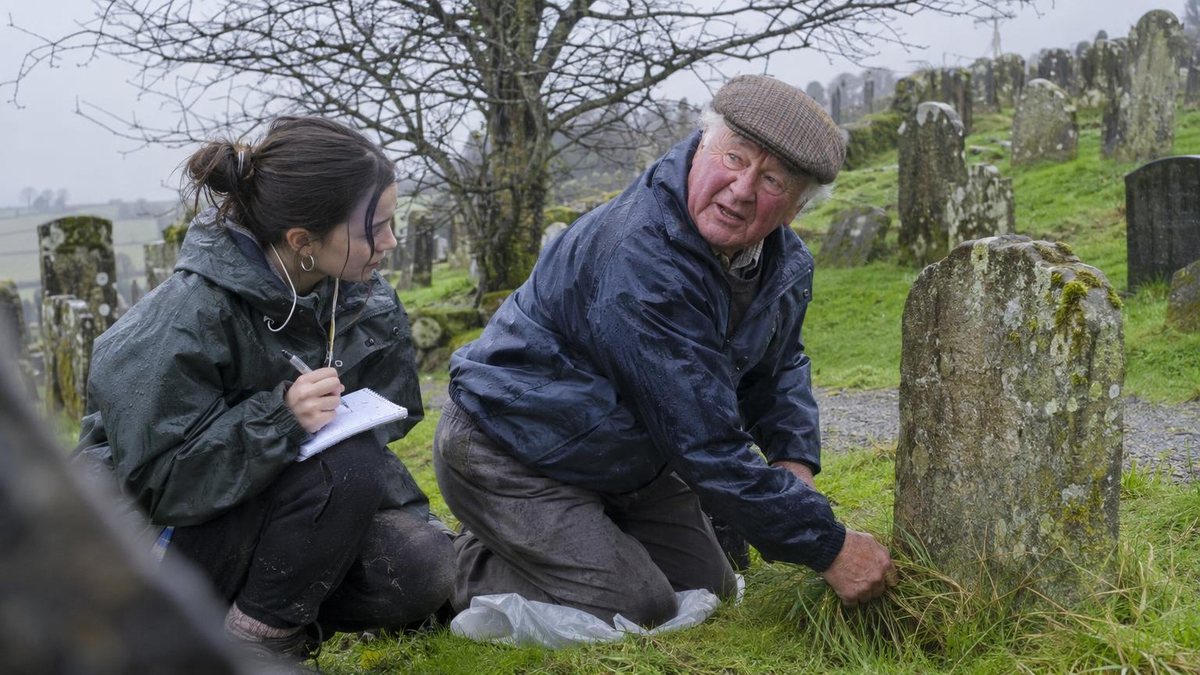
Illustrative image, AI-generated
This page is for anyone piecing together where their family came from. It holds more than 110 questions to ask relatives about family history: who your ancestors were, where they lived, why they moved, what work they did, and which stories have been passed down. Use them with parents, grandparents, great-aunts, older cousins, or anyone who remembers the family further back than you do.
Records can tell you a name and a date. Only people can tell you that your great-grandfather sang while he shaved, or why one branch of the family stopped speaking to the other. These questions are meant to collect both: the facts you will want to write down and the stories that make them worth keeping.
Keep a notebook open for this one and ask people to spell names and places. If you are talking with a grandparent, the list of questions to ask your grandparents covers their own life as well as the family's roots.
The oldest people in a family carry most of its history. A life story book for your grandparents collects their answers to guided questions, written or spoken, and prints them as a hardcover book the family can keep.
Why Ask About Family History, and When
Family history lives in the heads of a few older relatives, and much of it was never written down. Each person holds a different piece. An aunt may remember a village name that your father never knew; a cousin may have the photograph that settles a question.
Family gatherings are a good time to start, because several people can fill in each other's gaps. For the deeper questions, sit down with one person at a time.
Questions About Family Names
Names are the thread that ties the generations together. Ask how they were chosen, changed and passed on.
- Where does our family name come from, as far as you know?
- Has the spelling or pronunciation of our surname changed over the years?
- Is there a middle name or family name that gets passed down as a first name?
- Who were you named after, and what do you know about them?
- Did anyone in the family change their name, and why?
- What were the maiden names of the women in the family, going back as far as you can?
- Were there family nicknames that stuck for a lifetime?
- Is there a name in the family that nobody uses anymore, and is there a reason?
- How were babies named in the family: after saints, grandparents, or something else?
- Are there relatives with the same name who often get mixed up?
- What would you like future children in the family to be named after?
Questions to Ask Relatives About the Generation Before Them
Ask your relative about their own parents, aunts and uncles: the people they knew as grown-ups when they were young.
- When and where were your parents born?
- How did your parents meet, according to the story you were told?
- What did your father do for a living, and what did your mother do?
- Which of your parents' brothers and sisters do you remember, and what were they like?
- What was your parents' house like when you visited as an adult?
- How did your parents spend their last years, and where are they buried?
- What did your parents believe in most strongly?
- Which of your parents' sayings do you still repeat?
- What did your parents tell you about their own childhoods?
- Which aunt or uncle had the most interesting life?
- Is there anything about your parents you only found out after they were gone?
Questions About Grandparents and Older Ancestors
Go back as far as memory reaches. Even one remembered detail about a great-great-grandparent is worth writing down.
- What were your grandparents' full names, and where did they live?
- Did you ever meet your great-grandparents, or hear stories about them?
- What is the oldest family story you know, and who told it to you?
- Which ancestor do people in the family talk about most, and why?
- Was anyone in the family well known in their town or trade?
- Which ancestor do you think you are most like?
- Were there twins, large families or long-lived relatives in earlier generations?
- Did any ancestors serve in a war, and what is remembered about it?
- Who in the earlier generations had the hardest life, as far as you know?
- Is there an ancestor you wish you knew more about?
Where the Family Lived and Why They Moved
Places explain a lot: the accent, the food, the faith, the work. Ask for towns, streets and years where you can.
- Which towns, cities or farms has our family called home?
- Who was the first person in the family to leave the place everyone came from?
- Why did the family move, as far as you know: work, land, war, marriage or something else?
- How did they travel when they moved, and what did they take with them?
- Is there a house or farm the family owned for a long time, and what became of it?
- Which side of the family stayed put, and which side moved around?
- Are there relatives still living in the old place?
- Has anyone in the family gone back to visit where we came from?
- Which place do you think of as the family's real home?
- Are there addresses written down anywhere, in letters, a bible or old documents?
- If you could visit one place connected to our family, where would it be?
Questions About Coming to a New Country
If someone in your family came from another country, these questions help you trace that move. Some families know a great deal; others know only a ship's name or a year. Both are worth recording.
- Who in our family came to this country first, and when?
- What did they leave behind, and did they ever talk about it?
- Where did they first live when they arrived, and who helped them?
- What language was spoken at home in the first generation here?
- Which customs did they keep, and which did they let go of?
- Did they stay in touch with family back home, and how?
- Did anyone in the family go back, or want to?
- Which foods, songs or words from the old country are still in the family today?
- How did the family feel about becoming part of a new country?
- Are there papers, tickets or letters from that move that still exist?
Questions About Work and Trades in the Family
Work shaped where families lived and how they lived. Ask about jobs going back as far as anyone knows.
- Which trade or line of work shows up again and again in our family?
- Was there a family business, farm or trade passed from parent to child?
- Who was the first person in the family to go to college or learn a profession?
- Did women in the family work outside the home, and what did they do?
- Which job in the family history sounds the hardest to you?
- Was there ever a family fortune made, or lost?
- Which skills were handed down, like sewing, carpentry, cooking or music?
- Did children in earlier generations have to work, and what did they do?
- Which relative was known as the hardest worker?
- What tools or equipment from the family's working life still exist?
Questions About Family Traditions, Faith and Language
Traditions are family history you can still take part in. Ask where each one began.
- Which family traditions go back further than anyone can remember?
- Where did our family's holiday customs come from?
- What religious faith did earlier generations follow, and did it change over time?
- Were there other languages spoken in the family, and who still speaks them?
- Which dish in our family has a story about where the recipe came from?
- Is there a christening gown, wedding veil or other item that has been used at family occasions for generations?
- What songs, prayers or blessings have been passed down?
- Which family custom quietly stopped, and when did you notice?
- Are there family sayings that came from a particular ancestor?
- How did the family mark important anniversaries or reunions?
- Which tradition would you most like the next generation to carry on?
Family Stories, Legends and Mysteries
Every family has a story that may or may not be true. Ask for it anyway, and ask who told it first.
- What is the story everyone in the family tells, and how much of it do you believe?
- Is there a family legend about a famous relative, a lost fortune or a narrow escape?
- Which family story has changed the most over the years?
- Which branch of the family tree has the most gaps?
- Was there a black sheep in the family, and what did they do?
- Is there a family secret that is safe to tell now?
- Were there relatives who disappeared from the family story, and why?
- Which relatives were famous for their tempers, their humor or their cooking?
- What is the funniest story about an ancestor you know?
- Which family story do you think is the most important for the children to hear?
- Who else should I ask to get the other side of a family story?
Questions About Old Photos, Papers and Heirlooms
Objects carry the family's history. Ask to look at them together, and write down what you learn on the back or in a notebook.
- Who is in this photograph, and when do you think it was taken?
- Are there photographs where nobody remembers the faces anymore?
- Is there a family bible, ledger or book where births and marriages were written down?
- Who in the family kept the letters, and where are they now?
- What is the oldest object our family still owns?
- Which heirloom traveled the farthest to end up with us?
- Was anything valuable lost, sold or given away that people still talk about?
- Are there certificates, passports or military papers from earlier generations?
- Who decided which relative would keep the family treasures?
- Is there anything you own that you would like to tell me the story of?
- What would you want done with the family photographs one day?
Hard Times the Family Came Through
Families are shaped by hard years as much as good ones. Ask gently, and let the person decide what to share.
- What was the hardest time our family went through, as far as you know?
- How did the family get by when there was little money?
- Were there illnesses or early deaths that changed the family's course?
- Did war or unrest touch our family, and how?
- Who held the family together through the difficult years?
- Were there quarrels that split the family, and were they ever mended?
- What did earlier generations do without that we take for granted?
- Which hardship do you think made the family stronger?
- What did your parents or grandparents refuse to talk about?
- What would you want the younger ones to understand about those times?
Relatives Worth Finding and Asking
Family history is a group effort. These questions point you to the next person and the next piece.
- Which relatives do you think know the most about our family's past?
- Are there cousins or branches of the family we have lost touch with?
- Who was the family storyteller when you were young?
- Did anyone in the family ever try to trace our roots before?
- Which relative would you most like to see again, if we could find them?
- Are there family friends who knew earlier generations well?
- Who should I talk to about your side of the family?
- Is there someone whose memory we should record soon?
- Which part of our family history would you most like me to find out more about?
- What do you hope the family remembers about you?
How to Ask Relatives About Family History
Some practical habits make these conversations easier and more accurate.
- Sketch a simple family tree before you start and fill it in together. It gives you both something to point at.
- Ask people to spell names and places, and repeat dates back to them.
- Bring photographs, letters or documents. Objects start stories faster than questions.
- Ask permission to record, and say who will hear the recording.
- Talk to more than one relative. Different people remember different parts, and some will disagree; write down both versions.
- Don't press on painful subjects such as estrangements, early deaths or war. Offer the question and let them choose.
- Write up your notes within a day, while you still remember who said what.
How to Keep the Answers
Store notes and recordings in more than one place, and share a copy with a sibling or cousin. Label photographs with names while someone can still identify the faces. If an older relative would like to tell their own part of the story, see how Memowrite works: they answer guided questions by writing or speaking, and their answers are printed as a hardcover book the family can keep.
Frequently Asked Questions
What questions should I ask relatives about family history?
Start with names, birthplaces and the work people did, then move to moves, traditions and the stories passed down. Ask each relative about the generation they knew personally, since that is where their memory is most reliable. Write down who told you what.
How do I start a family history interview?
Begin with your relative's own parents and grandparents, the people they actually knew. Bring a rough family tree and some photographs to look at together. Keep the first session short and end by asking who else you should talk to.
What if relatives remember family history differently?
That is normal. Record each version and note who told it. Documents can sometimes settle a date or a name, but the different versions are part of the family's story too.
Should I ask about family medical history at the same time?
It can come up naturally, especially in questions about how earlier generations lived and died. If it does, write it down separately. Keep the focus of these conversations on stories and people, and ask health questions only if your relative is comfortable answering them.
Which relatives should I ask first?
Usually the oldest relatives who are willing to talk, and anyone known in the family as a storyteller or record-keeper. Don't overlook great-aunts, older cousins and family friends; they often remember things the direct line has forgotten.
Keep the answers in a book
Memowrite asks the questions, your relatives can answer by writing or speaking, and the stories are printed as a hardcover book the family keeps.