How to Make a Memorial Memory Book for a Parent Who Has Died
How to make a memorial memory book for a parent who has died: when to start, gathering photos and recipes, asking relatives for stories, and sharing copies.
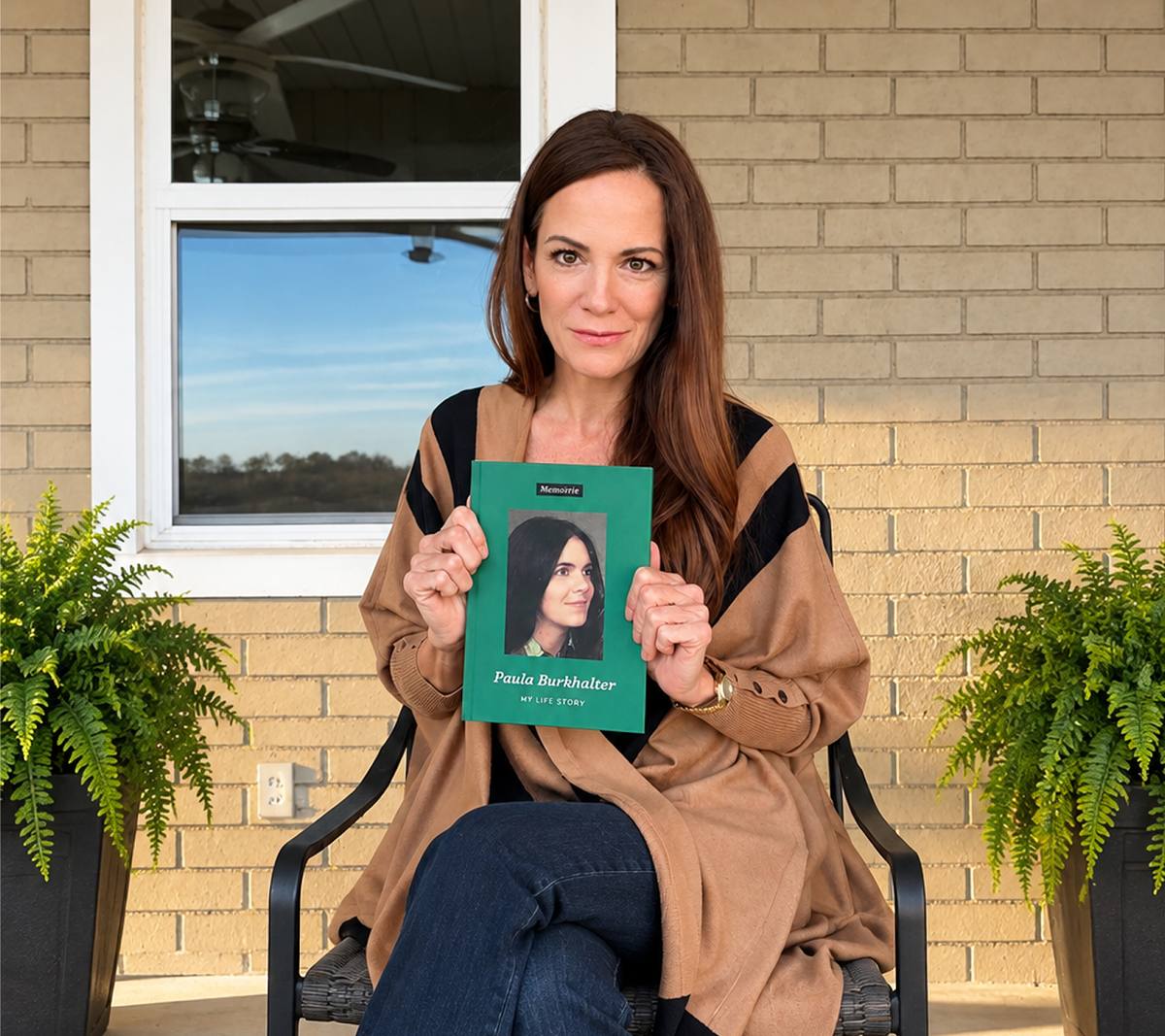
Make it a book: Make a tribute book for your mom or dad. Answer guided questions about your parent by writing or speaking, and the family's memories are printed as a hardcover book.
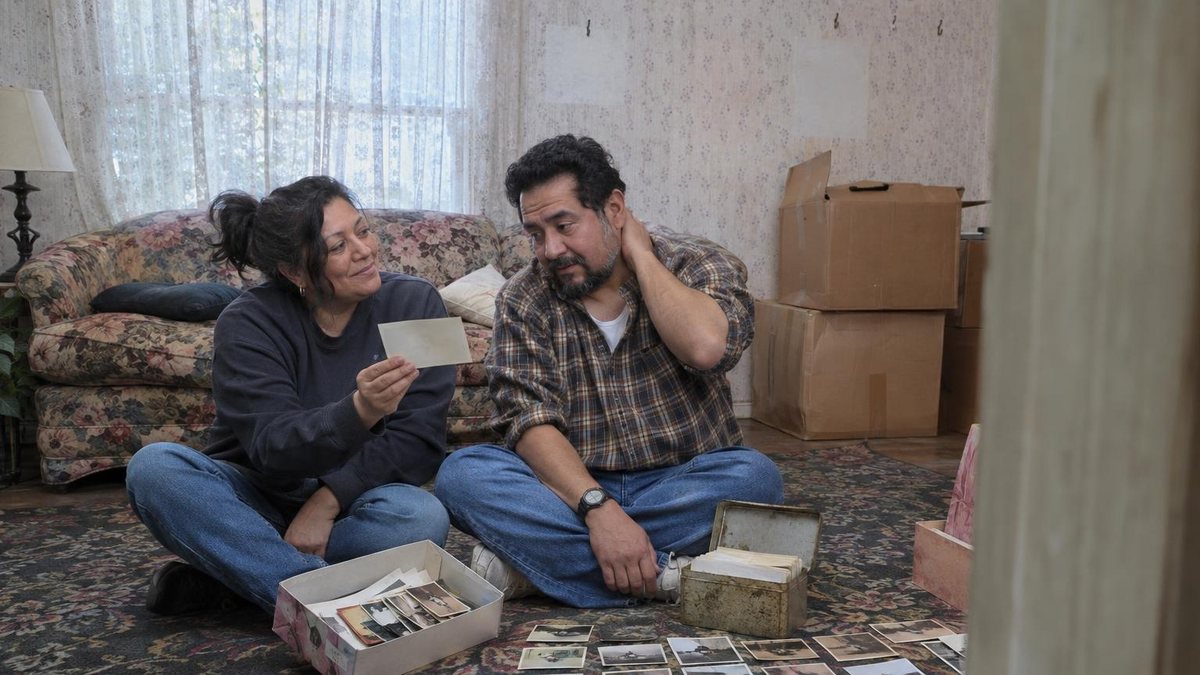
Illustrative image, AI-generated
A memorial memory book is a book about your mom or dad made from the things they left and the stories people tell about them: photos, letters, recipes, sayings, and memories from the family and friends who knew them. It is one of the most personal ways to preserve family memories, and it gives grandchildren a way to know a grandparent they barely met.
This guide is about the practical side of making one for a parent: when to start, what to gather before it scatters, how to ask relatives for their stories, how to arrange it, what to write when you are grieving, and how to share copies with the family. For ideas on what to put in the book, see our list of tribute book ideas.
When to Start: There Is No Rush
You don't need to start this week, or this year. The American Cancer Society's guide to grief and loss says there is no right or wrong way to grieve and no right or wrong length of time, and that it is common for grief to last a year or longer. A memory book can wait until you want to make it.
Some families begin in the first weeks, when relatives are gathered and stories are being told anyway. Others pick a date that means something: a first anniversary, a parent's birthday, or the Christmas when everyone will be together. Some start years later, when a grandchild asks a question nobody can answer. All of those are fine.
The one thing that can't always wait is the gathering. Even if you are not ready to write a word, set aside the materials before the house is cleared.
Set Aside a Box Before the House Is Cleared
When a parent's home is emptied, paper is the first thing to go. Old cards, a stained recipe box and a shoebox of photos can end up in the trash in an afternoon. Before anyone starts clearing, put a large box in one room and ask everyone to drop anything with words or faces on it inside, to be sorted later. Look for:
- Photos, slides and negatives, including the loose ones in drawers and the ones tucked into frames behind other photos.
- Letters, birthday cards and postcards, both ones they wrote and ones they kept.
- Recipe cards, notebooks and cookbooks with notes in the margins.
- Address books, diaries, calendars and appointment books. These hold dates, names and a picture of ordinary weeks.
- Certificates, school reports, work badges, military papers and newspaper clippings.
- Anything in their handwriting, even a shopping list.
- Voicemails and videos on phones. Save them to a computer before an old phone is reset or a contract runs out.
Tell your siblings what the box is for, so nobody throws out a card thinking it is clutter. Sorting can happen months later.
Gathering Photos
Most families have more photos than a book can hold, spread across several households. Ask each sibling, aunt, uncle and old friend to look through what they have and send you copies of anything with your parent in it. Phone photos of prints are fine at this stage.
Then sort roughly by decade, into piles or folders: childhood, young adult, the early family years, middle age, later life. Gaps will show at once, and you can ask specific people to fill them (“Does anyone have a picture of Dad from the navy?”). Before a photo goes in the book, find out who is in it, where it was taken and roughly when. An older relative can often name faces nobody else knows.
Scan the originals rather than gluing them into anything, and store them carefully afterward. The National Archives advises keeping family photos and papers cool and dry, out of basements, garages and hot attics, and away from rubber bands, paper clips, tape and self-stick “magnetic” albums.
Letters, Handwriting and Recipes
Some of the pages people read most in a memorial book are the plainest ones: a scanned birthday card in Mom's handwriting, a note Dad left on the kitchen counter, a list of what to pack for the lake. Choose a few and reproduce them as they are, with a line underneath saying when they were written.
Recipes deserve their own section. Copy each one out exactly as your parent wrote it, then add a short note: when it was made, who loved it, what went wrong the time someone else tried. For example, a page might read: “Mom's pot roast. Every Sunday from October to March. She never measured the onions and neither should you.” If the original card is stained and crossed out, photograph it and use the picture too.
Asking Relatives for Their Stories
You knew your parent as a child knows a parent. Their brother knew them as a boy, their best friend knew them at nineteen, and their coworkers knew someone you may never have met. A memorial book is much fuller with those voices in it.
Keep the request small. People who would never write two pages will happily answer two questions. Send one short message, choose a deadline that is weeks away rather than days, and offer to take the story over the phone if writing isn't their thing. For example, the message might say: “We're making a book about Dad for the grandchildren. Could you send one story about him and, if you have one, a photo? Any length is fine. A few lines is plenty. We'd love it by the end of next month.”
If they would like a prompt, pick two or three of these:
- Can you tell me about a day with him that you've never told us about?
- What did she get up to as a teenager that she wouldn't have told her children?
- What did you two argue about, and who usually won?
- When did you see her handle something hard, and what did it show you about her?
- What did he say about us kids when we weren't in the room?
- If you could put one ordinary scene of her into the book, what would it be?
- What did he teach you to do: a knot, a recipe, a card game, a way of fixing things?
- Do you have a letter, card, photo or recording of her that we could borrow and copy?
For a longer list, including questions to answer about them yourself, see our memory book questions for someone who passed away. Keep each person's story in their own words, with their name beside it. Light editing for spelling is fine; rewriting it in your voice is not.
Choosing a Structure
Once the material comes in, a shape usually suggests itself. Three that work well for a parent:
| Structure | Works well when | Example chapters |
|---|---|---|
| Their life in order | You know their life story well and have photos from most decades | Where they came from, growing up, meeting Mom, the family years, later life |
| By theme | Many people sent short memories that don't fit a timeline | Home and kitchen, work, their sayings, what they taught us |
| By the people who knew them | Each child or grandchild wants a section of their own | A chapter from each child, then the grandchildren, then friends |
Many books mix them: a short life story at the front, then themed chapters, then a closing section of letters to them. Our tribute book ideas page has full sample outlines for a mother or father.
What to Write When You Are Grieving
Writing about a parent who has died can be hard, and some days it won't happen. The American Cancer Society lists writing in a journal among the ways people express their feelings after a loss, and some find that writing for the book does a similar job. Others find it too painful at first, and that is a reason to wait, not a failing. A few things make it easier:
- Start with lists, not paragraphs. Their sayings. Their favorite foods, songs and TV shows. The things they always had in their coat pockets. Lists are easy to begin and become some of the best-loved pages.
- Write to them. Starting with “Dear Mom” often brings out what a formal paragraph can't. A letter to them makes a natural last chapter.
- Tell one small scene. Not “Dad was generous,” but the morning he drove two hours to bring you a spare tire and refused to take gas money. One true scene says more than a list of virtues.
- Let them be a whole person. Their temper, their stubbornness and their terrible jokes are part of who they were. Kindly told, the flaws make the book believable.
- Keep sessions short. Twenty minutes, then stop. You can come back to a hard page another day.
- Talk instead of writing. If the words won't come on paper, record yourself telling the story and type it up later.
If you are writing something short for the service itself, our guide on how to write a tribute covers that separately. The book can come later.
Sharing Copies With the Family
Before you print, ask each household whether they would like a copy, so you know the number early. Grandchildren who are small now are often the ones who treasure the book most in twenty years, so it is worth putting one aside for each of them, or for each family branch.
Keep a digital copy too: the scans, the typed stories and the final layout, saved in more than one place and shared with your siblings. Relatives overseas or far away can read a PDF the week it is finished. And keep the original letters and photos together with one person, with everyone knowing who.
Some families mark the book's arrival by reading a few stories aloud at a birthday or anniversary dinner. It is a gentle way to hear the voices of the people who wrote them, and often the start of more stories for a second edition.
If you would like help putting it together, a Memowrite tribute book gives you guided questions about your parent, which you answer by writing or by speaking. It holds up to 500 pages and 100 photos, and the stories are printed as a hardcover book once they are ready.
Frequently Asked Questions
How soon after a parent dies should I make a memory book?
Whenever you feel ready. Some people start in the first weeks and others wait a year or more. What is worth doing early is setting aside photos, letters and recipes before the house is cleared, so the materials are there when you want them.
What do you put in a memory book for a deceased parent?
A short account of their life, photos with captions, stories from family and friends in their own words, their sayings, recipes, a few samples of their handwriting, and what they taught you. A closing letter to them or to the grandchildren is a common last page.
How do I get my siblings and relatives to send stories?
Ask for very little: one story and one photo, with a deadline several weeks away. Give them two or three specific questions rather than “send me memories”, and offer to take the story by phone. A friendly reminder a week before the deadline usually brings in the rest.
What if we don't have many photos of our parent?
Ask further out: cousins, old friends, neighbors, former coworkers and their church or club may have pictures you have never seen. You can also include photos of things that were theirs, such as their chair, their tools or their garden, and let the stories carry the rest.
Written by Memowrite Team
The people who build and run Memowrite write and edit every article on this blog.
More about the Memowrite TeamStart your own book today
Answer guided questions about your parent by writing or speaking, and the family's memories are printed as a hardcover book.