52 questions · Updated
52 Questions to Ask Your Parents and Grandparents: One a Week for a Year
52 questions to ask your grandparents and parents, one a week for a year, sorted by month with a light seasonal theme, plus tips for asking and keeping the answers.
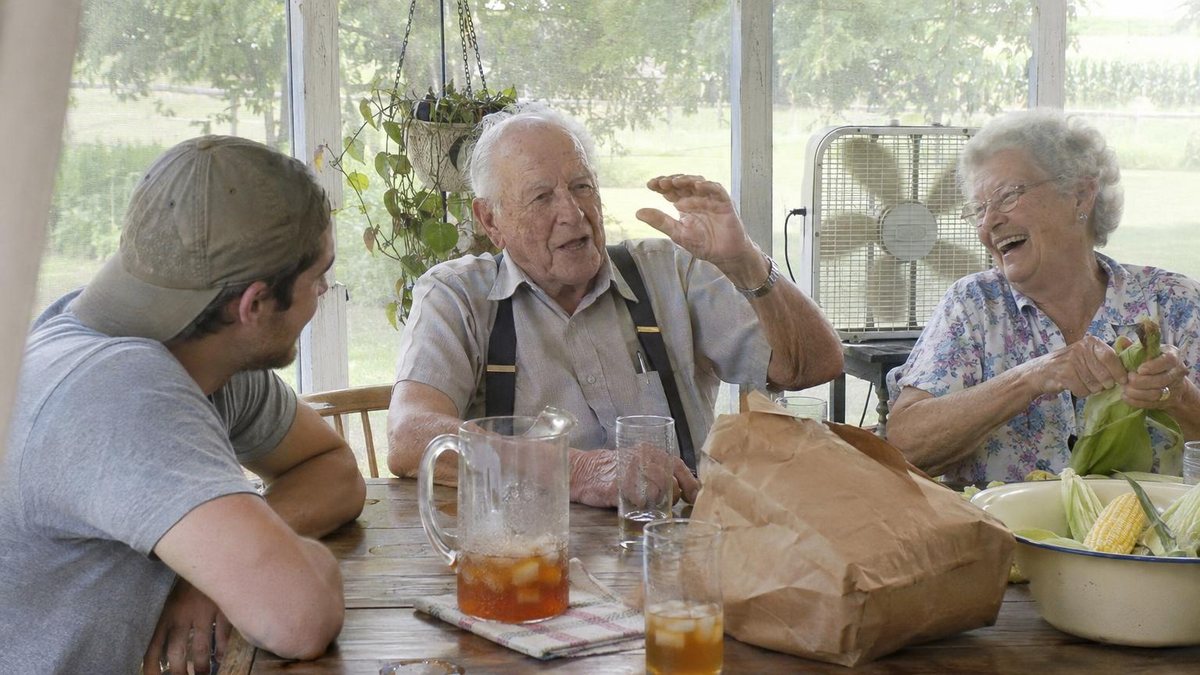
Illustrative image, AI-generated
Here are 52 questions to ask your grandparents or parents, one for every week of the year. Ask one on Sunday evening, put it in a card, or send it by text on Monday morning. By next December you will have a year of stories you did not have before.
The questions are sorted by month, and each month has a light theme that suits the season: love and friendship in February, spring in April, their own parents in May, summer trips in July, food and harvest in October, gratitude in November. You can start in any month. If it is March when you find this page, start with week 10 and loop back to January when you get there.
One question a week is a pace almost anyone can keep. It gives the person time to think, and it gives you something to look forward to. If you want a bigger list to choose from, see the questions to ask your grandparents and the questions to ask your parents.
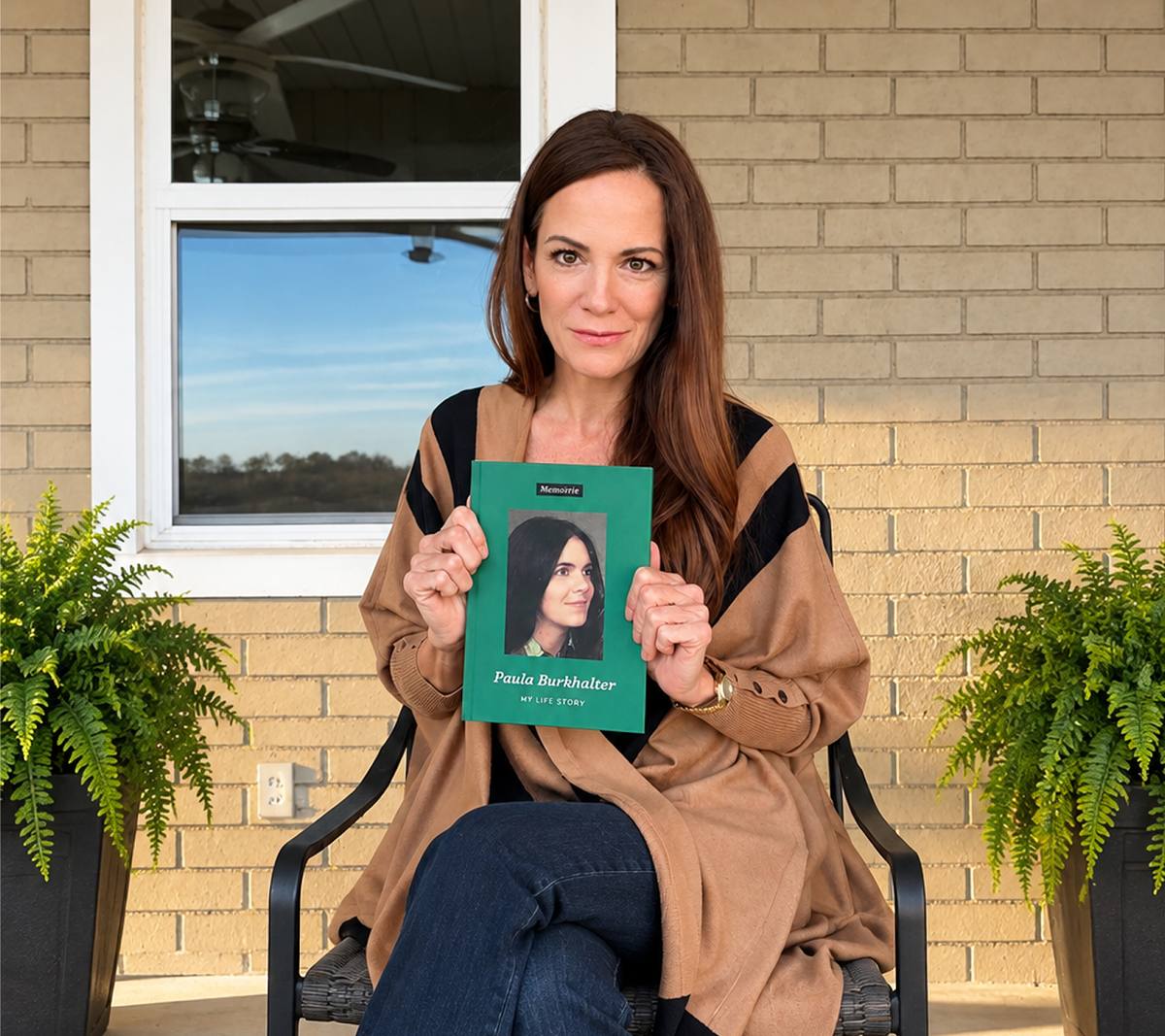
If you would like the answers to last, a life story book for your grandparents works the same way: they answer guided questions by writing or speaking, and their stories are printed as a hardcover book.
Why One Question a Week Works
A long list of questions can feel like an exam. A single question, asked once a week, feels like a conversation. People answer better when they are not rushed: a question asked on Monday often brings a better story on Thursday, after they have had a few days to think about it and maybe find an old photo.
The weekly rhythm also makes it a habit. Pick a day and a way to ask (a phone call, a text, a note by the coffee pot) and keep it the same. Either way, write each answer down or keep the recording, so the year adds up to something you can keep.
January (Weeks 1 to 5): Where It All Began
A new year is a good time to start at the beginning: names, birthdays and first homes.
- Who chose your name, and is there a story behind it?
- What name did your family use for you at home, and does anyone still use it?
- What is the first New Year's Eve you can picture, and where were you at midnight?
- Which birthday party from your childhood stands out, and what was on the cake?
- If you made the same New Year's resolution every January, what was it, and did it ever stick?
February (Weeks 6 to 9): Love and Friendship
Valentine's month. These questions are about the people they loved, the ones they dated and the friends who stayed.
- Who taught you to dance, or tried to?
- What did a date look like when you were twenty: where did you go, and who paid?
- Which friendship from your twenties would you most like to pick up again?
- What is the kindest thing someone has done for you that they probably don't know about?
March (Weeks 10 to 13): School and Learning
Late winter, with school still in session. Ask about the classroom, and about what they learned outside it.
- What was on the walls of your first classroom?
- Which teacher would you thank today if you could, and for what?
- What did you get in trouble for at school, and who told your parents?
- What is something you taught yourself as an adult, without a class or a teacher?
April (Weeks 14 to 18): Spring and the Outdoors
The weather turns, and so do the questions: playing outside, spring cleaning and the holidays of the season.
- What was the first sign of spring where you grew up?
- What did you and your friends build outside: forts, go-karts, dams in the creek?
- What did spring cleaning mean in your house, and who was in charge of it?
- How did your family mark Easter, Passover or the start of spring?
- What did you plant first each spring, or watch someone else plant?
May (Weeks 19 to 22): Questions About Their Own Parents
Mother's Day falls in May, so this month turns to the people who raised them. Go gently; for some, these are the tender ones.
- What is one thing your mother said so often you can still hear her voice saying it?
- What did your father do with a free Saturday morning?
- Which of your father's habits did you swear you'd never pick up, and did you anyway?
- If you could have one more afternoon with your parents, what would you ask them?
June (Weeks 23 to 26): Graduations, Weddings and First Jobs
June is the month of caps, gowns and wedding invitations. Ask about the years when they first stepped out on their own.
- What did you do the day after you finished school for good?
- Who gave you your first real job, and how did you get it?
- What is the best wedding you have been to, apart from your own, and what made it so good?
- When did you first feel like a grown-up, and what happened that day?
July (Weeks 27 to 31): Summer Trips and Long Days
School is out. These questions are about vacations, holidays and the jobs that filled the summer.
- Where did your family go on summer vacation, and how did you get there?
- What did the Fourth of July look like in the town where you grew up?
- How did you keep cool in summer before there was air conditioning at home?
- What is the farthest you have traveled from home, and what surprised you there?
- Which summer job taught you the most?
August (Weeks 32 to 35): Work and Money
Late summer, when the year's work picks up again. Ask about the jobs they held and what they learned about money.
- What job did you take only for the money, and what did you learn there anyway?
- What did your family do without when money was tight, and what never got cut?
- What was the rent on your first place of your own, and what did you get for it?
- If you could give your first boss one piece of honest feedback, what would it be?
September (Weeks 36 to 39): Raising a Family
Back-to-school season, and in the US, Grandparents Day falls in September. Ask about raising children and about being a grandparent.
- How did you choose your children's names, and who had the final say?
- What did your own parents do that you decided to do differently with your children?
- What skill have you passed on to a grandchild, and how did the lesson go?
- What rule from your house do your children still follow, whether they admit it or not?
October (Weeks 40 to 44): Food, Harvest and Halloween
Fall is for kitchens, harvests and a few spooky stories. These are usually easy, cheerful weeks.
- What dish are you known for, and who taught you to make it?
- What did your family put up for winter: jam, pickles, apples, firewood?
- What did you dress up as for Halloween, and who made the costume?
- What ghost story or strange happening does your family still tell?
- What did the kitchen smell like in the fall when you were a child?
November (Weeks 45 to 48): History, Hard Times and Gratitude
Veterans Day and Thanksgiving both fall in November. Ask about the history they lived through and the things they are thankful for. Let them choose how much to say.
- Where were you when you heard news that changed the country, and what did the people around you do?
- Who in the family served in the military, and what did they say, or not say, about it?
- Who was a good neighbor to your family when times were hard?
- What are you grateful for now that you might not have noticed when you were younger?
December (Weeks 49 to 52): Holidays and Looking Back
The last month of the year: holiday memories first, then a few questions that look back on the whole year of answers.
- Which holiday tradition from your childhood would you bring back if you could?
- What homemade gift do you still have, and who made it?
- Which of this year's questions was the hardest to answer, and why?
- If this year's answers were bound in a book for the youngest person in the family, what would you write on the first page?
How to Ask One Question a Week
- Pick a day and stick to it. Sunday dinner, a Monday text or a Friday phone call. The habit matters more than the method.
- Send the question ahead. If you are calling on Sunday, send the question on Wednesday so they have time to think.
- Share your own answer too. Telling them your first job or your favorite Halloween costume makes it a swap, not an interview.
- Ask one follow-up, not five. “What happened next?” or “Who else was there?” is usually enough to turn a short answer into a story.
- Record only with permission. If you want to record a call, ask first, and let them say no to a week they would rather skip.
- Go easy on the hard weeks. May and November can bring up loss. If a question lands on something painful, let them steer, and move on if they want to.
- Skip and swap freely. If a question does not fit their life, trade it for one from a longer list such as the questions about family history.
How to Keep the Answers
Keep every answer in one place: a notebook, a shared document or a folder of voice memos named by week. At the end of the year, read them back in order; you will see how much ground 52 small conversations can cover. If you would like those stories in print, Memowrite turns answers to guided questions, written or spoken, into a hardcover book. You can read how Memowrite works before you decide.
Frequently Asked Questions
What are good weekly questions to ask grandparents?
Good weekly questions are open, specific and easy to start answering, like “What did you dress up as for Halloween?” or “Who chose your name?” Each one should invite a story rather than a yes or no. Mix light weeks with deeper ones so the year never feels heavy.
Do I have to start in January?
No. Start with the current month and carry on through the year, looping back to January when you reach it. The seasonal themes are there to make the questions feel timely, not to set a schedule you have to follow.
What if they don't want to answer a question?
Skip it and pick another. Some people never want to talk about a parent, a war or a hard year, and that is their call. You can always come back to a skipped week later if they bring it up themselves.
How should I send the questions?
Use whatever they already use. A text or email suits someone who is on their phone every day; a postcard or a card in the mail suits someone who likes paper.
Can I ask the same 52 questions to both parents?
Yes, and the answers are often very different. Ask them separately first, then share both answers with each of them. A question like “What did a date look like when you were twenty?” can lead to a good-natured argument and a better story.
Keep the answers in a book
Memowrite asks the questions, your parents and grandparents can answer by writing or speaking, and the stories are printed as a hardcover book the family keeps.